
Activity-Based Protein Profiling (ABPP)
Activity-Based Protein Profiling (ABPP) is a powerful chemical proteomics technique that enables the functional characterization of enzymes and other active proteins within complex biological systems. The method relies on activity-based probes (ABPs), which are small molecules designed to covalently bind to the active sites of specific enzyme families. These probes typically consist of three key components: a reactive group that selectively targets active enzymes, a linker region, and a reporter tag (e.g., fluorescent groups, biotin, alkynes or azide) for detection and enrichment. By exploiting the catalytic mechanisms of enzymes, ABPP allows researchers to profile protein activity—rather than mere abundance—under native conditions, providing insights into functional states that traditional proteomics methods often miss. This approach is particularly valuable for identifying dysregulated enzymes in disease states, uncovering novel drug targets, and characterizing off-target effects of therapeutic compounds.
ABPP in Drug Target Discovery
ABPP has been widely applied in drug target discovery, particularly in oncology, infectious diseases, and neurodegenerative disorders. For instance, in a landmark study by Cravatt et al., ABPP was used to identify fatty acid amide hydrolase (FAAH) as a potential target for treating pain and inflammation. The researchers designed an ABP to label active serine hydrolases in mouse brain proteomes, leading to the discovery of FAAH as a key regulator of endocannabinoid signaling. This work laid the foundation for the development of FAAH inhibitors as therapeutic agents (Cravatt, B. F., et al. Nature Biotechnology, 2001, 19(3), 259-264). Another notable example is the use of ABPP to uncover the role of lysosomal cysteine proteases in cancer progression. By profiling protease activity in tumor microenvironments, researchers identified cathepsins as promising targets for anticancer therapies, leading to the development of selective inhibitors (Joyce, J. A., et al. Cancer Cell, 2004, 5(5), 443-453). These examples highlight ABPP's ability to bridge the gap between basic research and clinical applications by pinpointing functionally relevant targets.
Standard ABPP Workflow
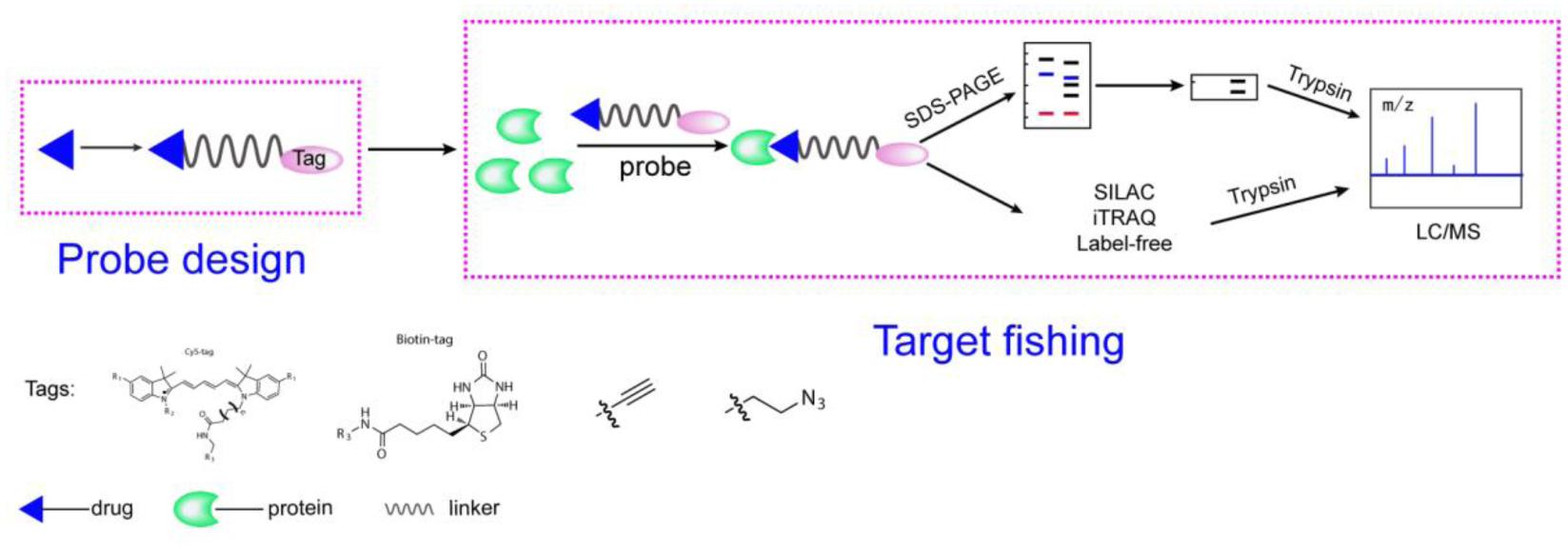 Fig 1. A general representation of the ABPP workflow.1
The general workflow for ABPP-based drug target discovery involves several key steps.
(1) Probes Design and Selection: Activity-based probes (ABPs) are designed or chosen based on the specific enzyme class under investigation, such as serine hydrolases or cysteine proteases. These probes are engineered to selectively bind to the active sites of target enzymes.
(2) Probe Delivery: The selected probes are applied to biological samples, which may include cell or tissue lysates or live cells. The probes covalently bind to active enzymes, allowing for the selective labeling of functionally relevant proteins.
(3) Protein Enrichment and Identification: Following probe binding, labeled proteins are enriched using affinity purification techniques, often involving streptavidin-coated beads for biotinylated probes. The enriched proteins are then identified and quantified using mass spectrometry (MS)-based proteomics.
(4) Bioinformatics Analysis: The MS data is analyzed using bioinformatics tools to compare protein activity profiles between disease and control samples. This step helps identify differentially active enzymes that may serve as potential therapeutic targets.
(5) Validation: Candidate targets undergo rigorous validation through biochemical assays, structural studies (e.g., X-ray crystallography or cryo-EM), and functional experiments (e.g., gene knockdown or overexpression). These confirmations ensure the biological and therapeutic relevance of the identified targets.
This streamlined pipeline ensures a comprehensive and unbiased approach to target discovery, facilitating the transition from basic research to drug development.
PharmaAnalytica's Technology Platform
PP96 Automated Protein Purification Workstation
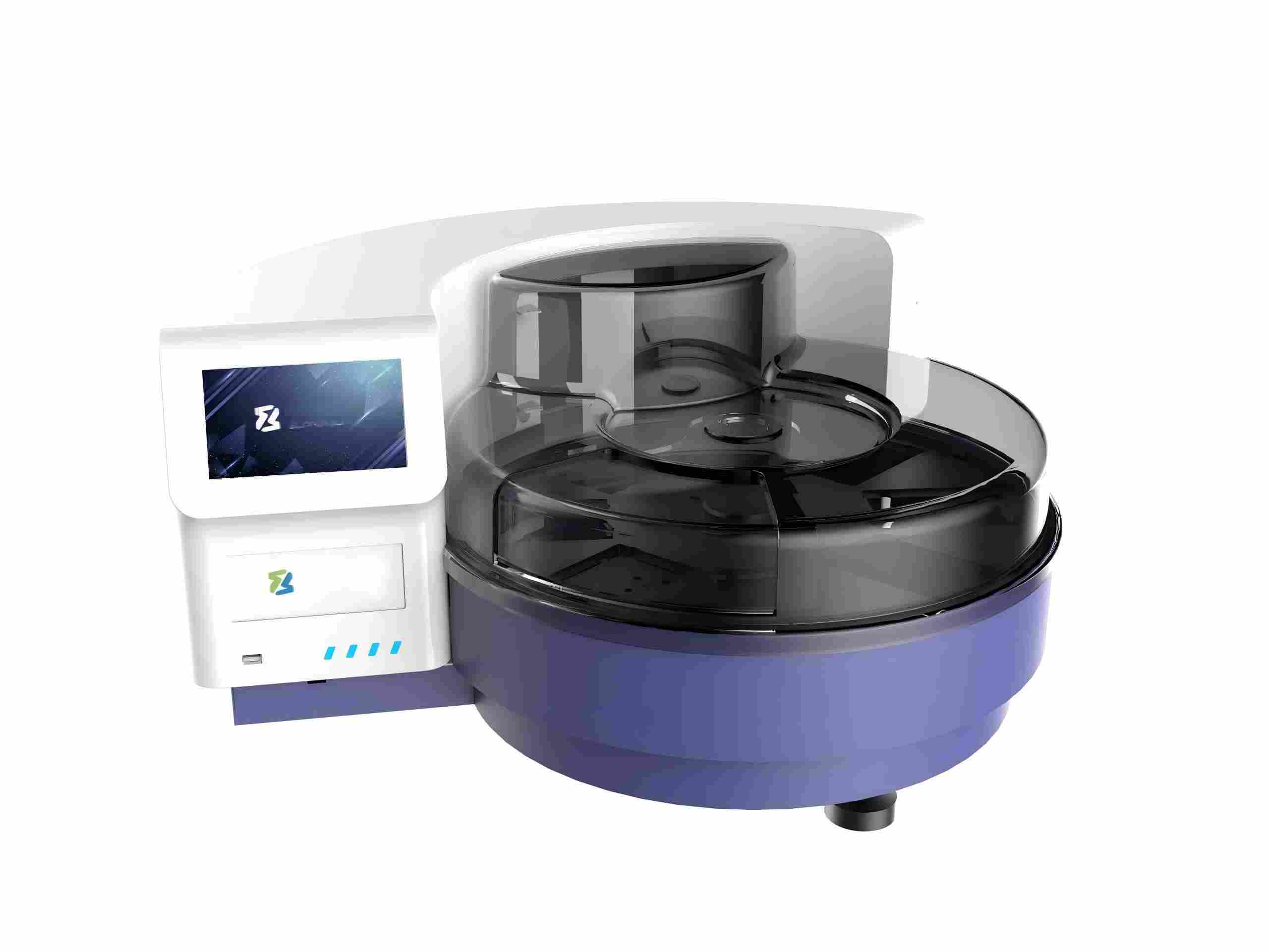
PP32 is specifically designed for magnetic bead-mediated enrichment of active proteins. It is highly compatible with streptavidin magnetic beads that bind to biotin-labeled ABPP probes, enabling automated processing of cell lysates or tissue homogenates. Equipped with 96 channels and 96-well plate compatibility, it adopts a magnetic rod transfer method to avoid cross-contamination, ensuring high purity of enriched proteins. The workstation automatically completes binding, washing, and elution, with a 30-minute processing time for 96 samples and a recovery rate over 85%, greatly improving the efficiency and reproducibility of ABPP sample preparation.
Gentle n-MagS Automated Magnetic Bead Sorting System
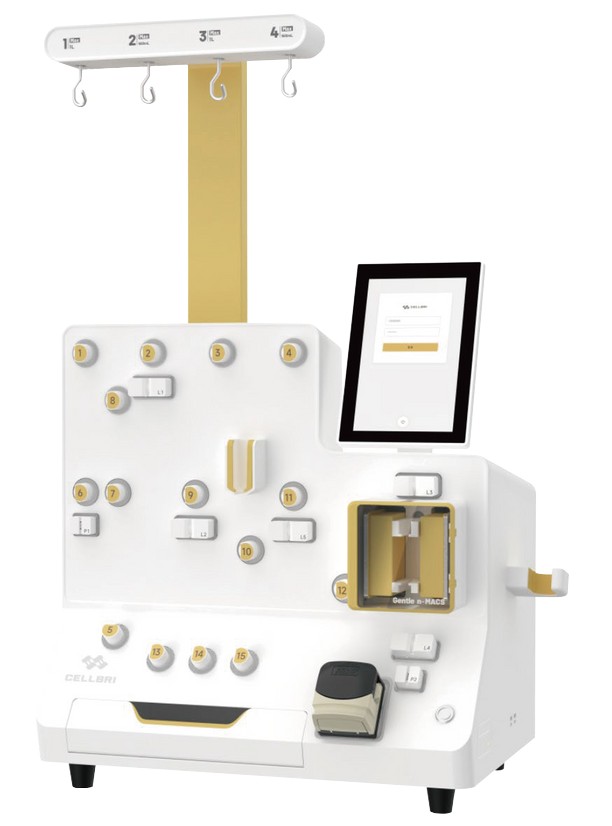
With fully closed sterile pipelines and a self-developed high-gradient magnetic field, Gentle n-MagS efficiently enriches probe-labeled active proteins using streptavidin magnetic beads after simple process modification. It supports automatic incubation, sorting, and magnetic bead removal, handling 10-400mL samples with a protein recovery rate ≥80% while preserving target protein activity. It also adapts to cell-level ABPP screening, enabling integrated processing of mixed cell-protein samples for cell-specific active target studies.
EXPEC 5310 LC-MS/MS System
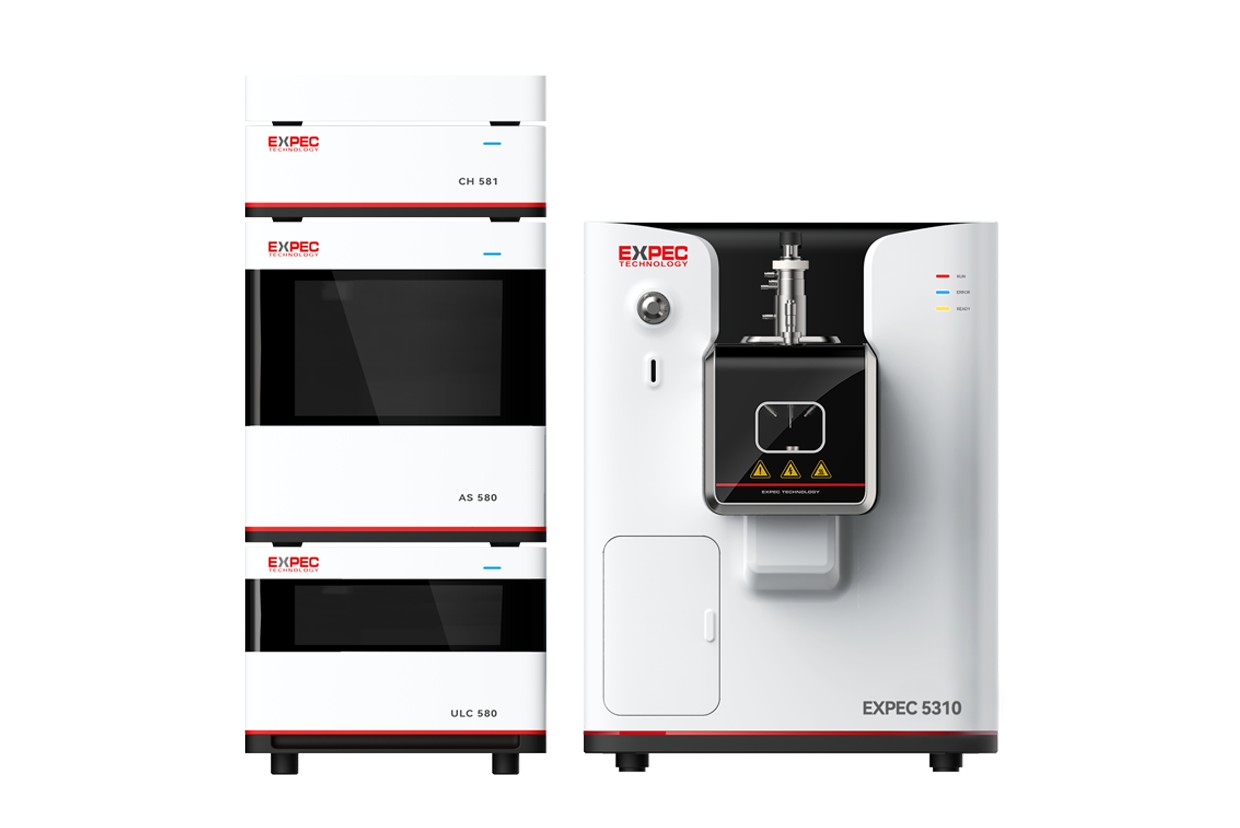
EXPEC 5310 excels in high-throughput ABPP drug target screening and off-target enzyme profile analysis. It boasts PPB-level trace detection and a 6-order dynamic range, accurately identifying low-abundance active proteins in complex matrices like cell lysates. Its integrated UPLC-MS/MS design ensures efficient peptide separation and sensitive detection, enabling high-throughput analysis of large ABPP sample batches. It plays a crucial role in active protein profile in-depth analysis and drug off-target identification, enhancing the efficiency and accuracy of drug target screening.
TQ9200 LC-MS/MS System
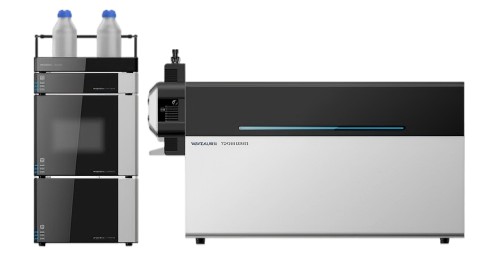
TQ9200 is the core analytical instrument for ABPP target screening. After preprocessing and trypsin digestion, peptide fragments are separated by its 150MPa ultra-high pressure UPLC module with an active preheating column oven, then detected by the TQ9200 mass spectrometer. With a stability CV ≤3%, it offers high sensitivity and quantitative accuracy, ideal for label-free or TMT-based quantitative analysis of low-abundance active proteins in ABPP. It accurately identifies and quantifies probe-labeled targets, distinguishes specific from non-specific binding, and provides reliable data for potential drug target confirmation.
PharmaAnalytica's ABPP-Based Drug Target Discovery Services
PharmaAnalytica offers ABPP-based drug target discovery services with distinct advantages:

Cutting-Edge Technology & Expertise
PharmaAnalytica integrates advanced chemical proteomics with deep expertise in probe design and data analysis, ensuring highly sensitive and specific target identification. Our platform minimizes false positives and maximizes the detection of functionally relevant enzymes.

Customized Solutions
We offer tailored ABPP services to address specific challenges across therapeutic areas, including oncology, infectious diseases, and rare genetic disorders. Our flexible approach adapts to unique biological systems and research objectives.
Comprehensive Downstream Validation
Beyond target discovery, our integrated services include enzymatic assays, cellular functional studies, and structural characterization to validate hits. This accelerates the transition from early discovery to preclinical development.
Efficient & Reliable Target Discovery
By leveraging ABPP technology, PharmaAnalytica enables researchers to confidently identify novel drug targets with high efficiency. Our end-to-end solutions drive innovation in therapeutic development, reducing time and cost barriers in the drug discovery pipeline.
With PharmaAnalytica's ABPP services, researchers gain a powerful, data-driven approach to uncovering and validating promising drug targets.
References
- Cravatt, B. F. , et al. (2008). "Activity-based protein profiling: from enzyme chemistry to proteomic chemistry." Annual Review of Biochemistry. 77 (1): 383-414.
- Joyce, J. A. , et al. (2004). "Cathepsin cysteine proteases are effectors of invasive growth and angiogenesis during multistage tumorigenesis." Cancer Cell. 5 (5): 443-453..
- Shan, W. , et al. (2018). "Advanced activity-based protein profiling application strategies for drug development." Frontiers in Pharmacology. 9, 353.
Online Inquiry
This site is protected by reCAPTCHA and the Google Privacy Policy and Terms of Service apply.
Need More Information or Request A Quotation?
Related Links
