
Catalyst Residue Analysis with AAS
Atomic Absorption Spectroscopy (AAS) is a selective, robust and widely accepted analytical technique for the determination of metal catalyst residues in pharmaceutical materials. The technique uses light absorption at characteristic wavelengths to quantify target metal atoms in atomized samples, delivering excellent specificity and reliable performance for routine quality control. AAS is ideally suited for targeted measurement of common catalytic metals including palladium (Pd), platinum (Pt), nickel (Ni), rhodium (Rh), copper (Cu), iron (Fe) and others. It meets strict regulatory expectations for residual metal control and supports safe release of APIs and drug products.
Applications in Impurity Test
AAS offers clear advantages for targeted catalyst residue monitoring compared with multi-element techniques. It provides high specificity for individual metals, low matrix interference, and stable long‑term performance ideal for high‑sample‑throughput laboratories. The method achieves sensitive detection at ppm to ppb levels, fully satisfying ICH Q3D and pharmacopeial limits for metal impurities. AAS instruments are compact, cost‑effective and easy to validate, making them a preferred choice for dedicated catalyst residue monitoring throughout process development and commercial production.
AAS supports catalyst residue analysis across a full range of pharmaceutical samples:
- Active Pharmaceutical Ingredients (APIs): Determination of Pd, Pt, Ni, Rh and other metal catalysts from synthetic processes
- Drug Intermediates: Monitoring of metal residues at key synthesis stages to support process optimization
- Excipients: Screening of natural and synthetic excipients for unintended metal contamination
- Finished Dosage Forms: Quantification of residual metals in oral, topical and parenteral products
Samples are typically prepared by acid digestion, open reflux, or microwave digestion prior to analysis to ensure complete release of metal residues.
PharmaAnalytica's Technology Platform
TAS-990AFG Atomic Absorption Spectrophotometer
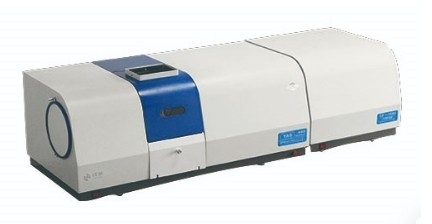
TAS-990AFG is a high-performance flame/graphite furnace integrated atomic absorption spectrometer designed for precise catalyst residue analysis. It features a stable optical system, automatic wavelength selection, deuterium lamp background correction, and auto‑sampler for continuous testing. The system supports both flame and graphite furnace modes to cover low‑to‑high concentration ranges, with user rights management, audit trail, data logging and USB/print output to meet GMP and regulatory data integrity requirements.
TOPEX+ Microwave Digestion System
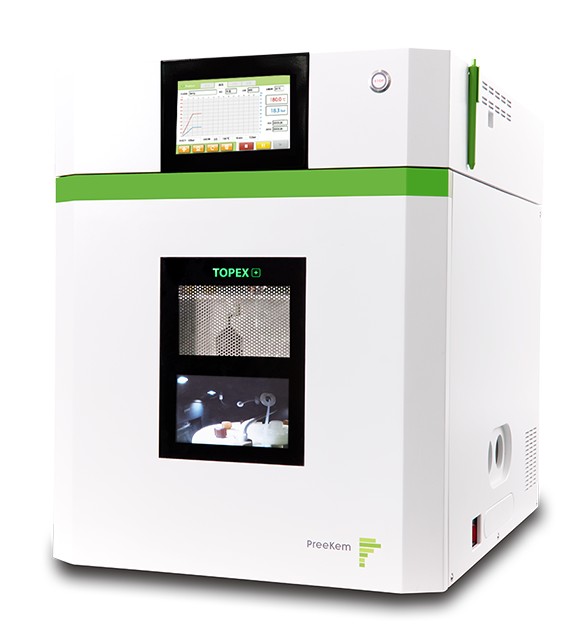
TOPEX+ is a high-performance closed-vessel microwave digestion system designed for efficient sample preparation in pharmaceutical elemental analysis. It ensures complete decomposition of organic matrices and full release of bound metal residues under controlled high temperature and pressure, minimizing contamination and analyte loss. The system supports programmable multi-step digestion methods, real-time temperature and pressure monitoring, and comprehensive safety interlocks. It is fully compatible with AAS instrumentation to significantly improve testing accuracy, repeatability and data reliability for catalyst residue and heavy metal analysis.
PharmaAnalytica's AAS-Based Impurity Test Service

Full Compliance with Global Pharmacopeias
Our methods are developed and validated per ICH Q2(R1) and fully comply with global standards:
- ICH Q3D (Elemental Impurities Guidelines)
- USP <232>/<233> (elemental impurities)
- EP 2.4.20 (metal catalysts)
- JP 1.05 (Japanese standards)

Specialized Sample Preparation
We provide tailored sample preparation for complex pharmaceutical matrices:
- Microwave digestion for APIs and high‑organic samples
- Open acid digestion for stable intermediates and excipients
- Matrix-matching calibration to reduce interference
- Blank and control monitoring to ensure data accuracy
High-Tech Testing Platform
PharmaAnalytica's domestic AAS platform delivers reliable ppb‑level sensitivity for target catalyst metals. The combination of flame and graphite furnace modes extends the linear range for broad applicability. Fully validated methods and automated workflows ensure consistent, repeatable results for process control, stability studies and regulatory submissions.
24/7 Global Technical Support
Our expert team provides full lifecycle support including method development, validation, troubleshooting and result interpretation. We offer fast turnaround times and customized solutions to support process optimization, scale‑up and commercial batch release.
AAS remains a trusted and efficient technique for targeted catalyst residue analysis in the pharmaceutical industry. PharmaAnalytica combines validated methods, compliant instrumentation and expert technical support to help manufacturers control residual metals, ensure patient safety and accelerate global regulatory approval.
Our services support risk reduction, production stability and successful commercialization of drug products worldwide.
Online Inquiry
This site is protected by reCAPTCHA and the Google Privacy Policy and Terms of Service apply.
Need More Information or Request A Quotation?
Related Links
