
Luminescence-Based Assays
Luminescence-based assays are a powerful class of analytical techniques that detect and quantify biological molecules by measuring light emission generated through chemical or enzymatic reactions. Unlike fluorescence-based methods, luminescence does not require an external light source for excitation, resulting in significantly lower background noise and higher sensitivity. This makes it particularly suitable for detecting low-abundance targets in complex biological matrices.
Key Types of Luminescence Assays:
Chemiluminescence: Relies on chemical reactions (e.g., horseradish peroxidase (HRP) with luminol) to produce light. Commonly used in ELISA and Western blotting.
Bioluminescence: Utilizes enzyme-substrate systems (e.g., firefly luciferase with D-luciferin or NanoLuc® with furimazine) for highly sensitive detection, often applied in reporter gene assays and live-cell imaging.
Electrochemiluminescence (ECL): Combines electrochemical reactions with luminescence (e.g., ruthenium-based labels), enabling multiplex detection in systems like Meso Scale Discovery (MSD).
These assays are widely adopted in drug discovery due to their robustness, scalability, and compatibility with high-throughput screening (HTS) platforms.
Applications in Early-Stage Drug Discovery (Hit-to-Lead)
Luminescence-based assays play a pivotal role in hit identification (HIT screening) and lead compound validation, offering precise and rapid analysis of drug-target interactions.
A. High-Throughput Screening (HTS) for Hit Identification
GPCR & Kinase Screening: Luciferase reporter assays (e.g., cAMP response element (CRE)-Luc or NF-κB-Luc) measure receptor activation or inhibition.
Protein-Protein Interaction (PPI) Studies: Bioluminescence resonance energy transfer (BRET) quantifies dynamic interactions in live cells.
ATP-Dependent Assays: Monitor kinase or ATPase activity by detecting ADP/ATP conversion.
Protease/Caspase Activity: Assess apoptosis induction by drug candidates.
B. Activity Validation & Mechanism of Action (MoA) Studies
Cell Viability & Cytotoxicity: Measures intracellular ATP levels to evaluate compound effects on proliferation or cell death.
Metabolic Stability: Screens for drug-drug interactions by assessing CYP450 enzyme inhibition/induction.
Signal Pathway Analysis: Luciferase-based reporters (e.g., STAT3/NF-κB) track pathway modulation in response to drug treatment.
These applications accelerate the transition from hit identification to lead optimization, ensuring only the most promising candidates advance.
PharmaAnalytica's Technology Platform
Lux-P110 Ultra-Sensitive Microplate Luminometer
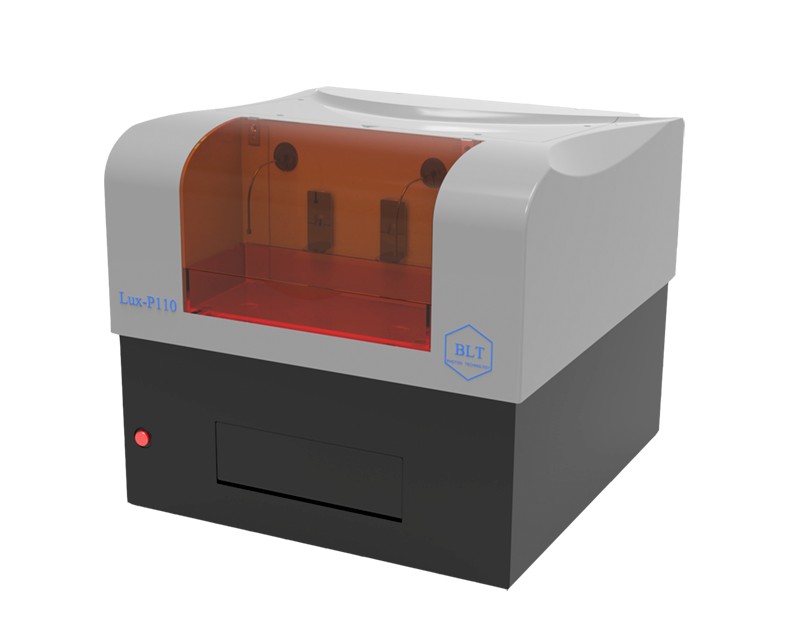
Lux-P110 Ultra-Sensitive Microplate Luminometer enables high-performance luminescence detection in drug discovery, supporting reporter gene assays, enzyme activity profiling, and cell viability analysis with exceptional signal-to-noise ratios.
SuPerMax Series Multimode Microplate Reader
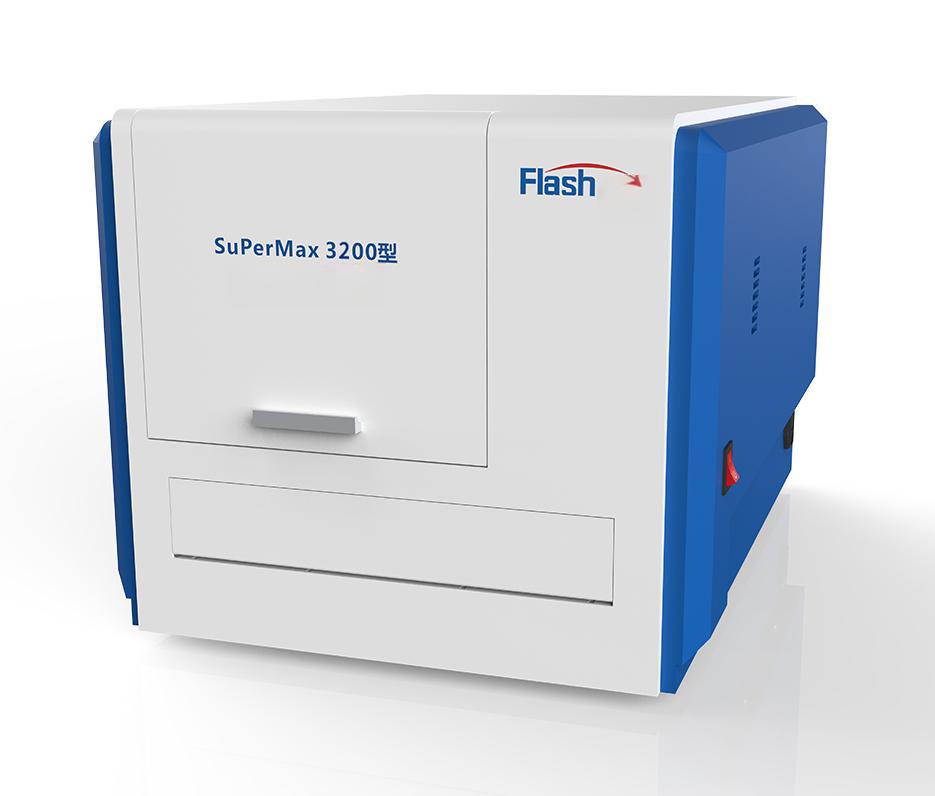
SuPerMax Series Multimode Microplate Reader enables versatile detection (fluorescence, absorbance, and chemiluminescence), ideal for drug discovery applications including protease/kinase/phospholipase activity assays, cell viability analysis, and reporter gene assays.
LumiStation 1800 Chemiluminescence Microplate Reader
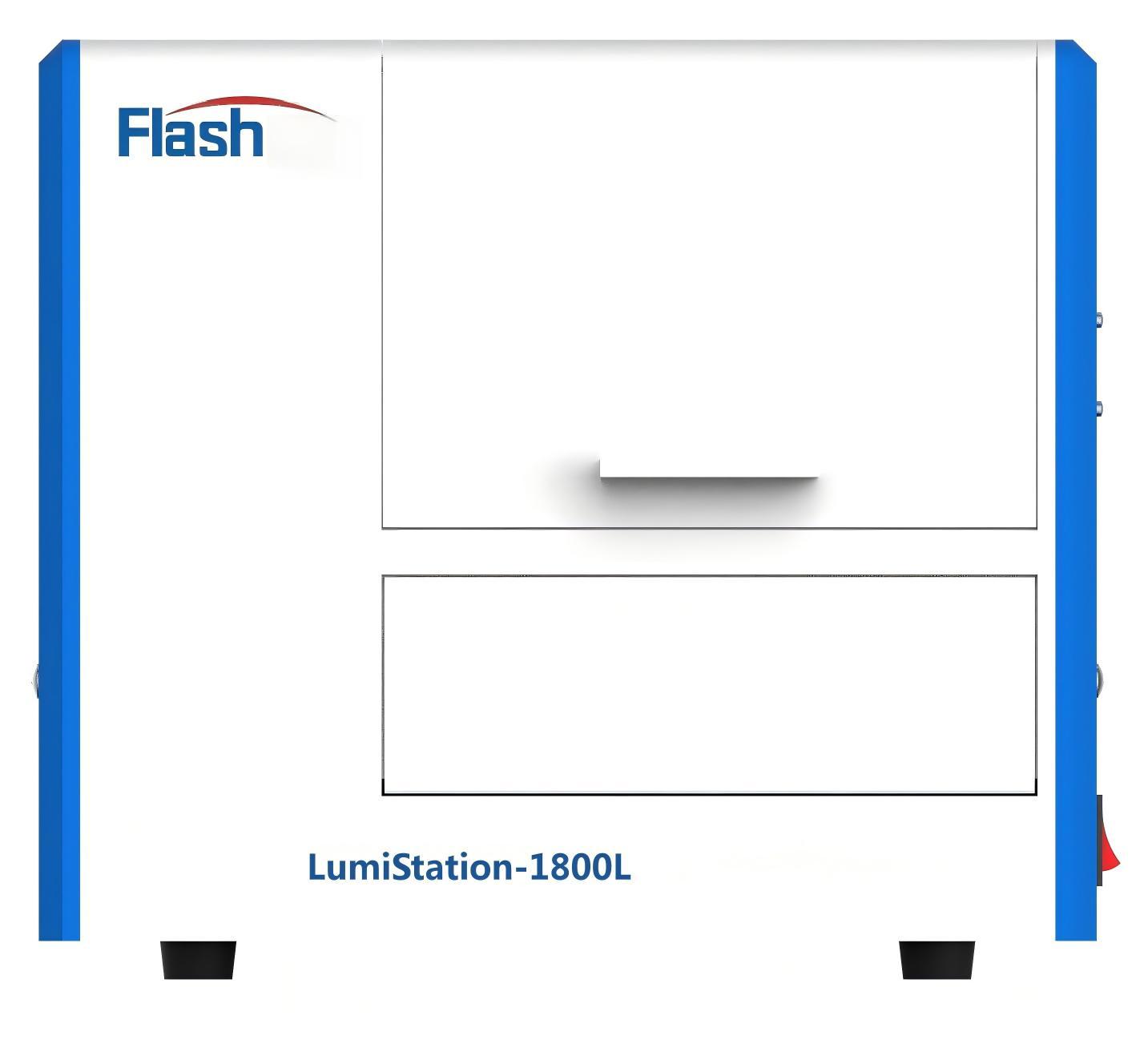
LumiStation 1800 enables high-throughput HIT Screening applications, including dual-luciferase reporter assays, ATP detection, and enzyme/kinase profiling, with optimized sensitivity for β-galactosidase, β-glucuronidase, and alkaline phosphatase analyses.
PharmaAnalytica's Luminescence-Based HIT Screening Services
PharmaAnalytica integrates cutting-edge luminescence-based assay technologies with customized solutions to support HIT screening and activity validation for global pharmaceutical and biotech partners.

Customized Assay Solutions
PharmaAnalytica develops tailored luminescence assays for GPCRs, kinases, and protein interactions, ensuring precise detection of drug-target engagement in high-throughput screening (HTS).

Advanced Technology Platforms
Leveraging multimode microplate reader, and automated liquid handling, we deliver ultra-sensitive, multiplexed, and reproducible data for complex biological samples.
End-to-End Mechanistic Profiling
From apoptosis to metabolic stability, our assays validate compound activity and toxicity, supporting robust lead optimization.
Expertise & Efficiency
Our PhD-led team adheres to FDA/EMA-compliant workflows, offering fast turnaround without compromising data quality, accelerating your drug discovery pipeline.
Luminescence-based assays are indispensable tools for hit identification, lead validation, and mechanistic studies in drug discovery. PharmaAnalytica leverages these technologies to deliver highly sensitive, reproducible, and scalable screening solutions, empowering researchers to rapidly advance their drug development programs.
Online Inquiry
This site is protected by reCAPTCHA and the Google Privacy Policy and Terms of Service apply.
Need More Information or Request A Quotation?
Related Links
