
Polarized Light Microscopy (PLM)
Polarized Light Microscopy (PLM) is a rapid, non-destructive analytical technique that uses polarized light to characterize crystalline structure, birefringence, morphology, and particle characteristics of solid pharmaceutical samples. It enables clear distinction between crystalline and amorphous phases, polymorphs, solvates, and foreign particles, providing direct visual evidence for material characterization and drug-excipient interaction analysis.
In drug-excipient compatibility studies, PLM interpretation focuses on morphological and birefringence changes in drug-excipient mixtures compared with pure API and excipients. Key incompatibility indicators include:
- Loss or reduction of API birefringence signals, suggesting amorphization or strong interactions.
- Abnormal crystal morphology, agglomeration, or crystal growth changes indicating physical interactions.
- Appearance of new crystalline or amorphous domains, revealing polymorph conversion or chemical reaction.
- Phase separation or inconsistent dispersion in solid dispersions, indicating poor miscibility.
PLM enables fast, early-stage screening of potential incompatibilities with minimal sample consumption, supporting efficient formulation development before long-term stability tests.
Applications in Drug-Excipient Compatibility Studies
PLM is widely used in pharmaceutical preformulation and formulation development to detect physical and chemical incompatibilities that affect drug stability, bioavailability, and product performance.
- Rapid Compatibility Assessment: Identifies API-excipient interactions by observing changes in crystallinity, birefringence, and morphology, providing early risk warnings in line with FDA and ICH guidelines.
- Polymorph & Salt Screening: Directly distinguishes polymorphs, solvates, and crystal habits to support stable crystal-form selection.
- Solid Dispersion Characterization: Judges amorphization and miscibility by birefringence intensity and phase homogeneity.
- Crystallinity Monitoring: Detects unintended crystallization in amorphous formulations to ensure stability and performance.
- Sample Purity & Uniformity Inspection: Identifies agglomerates, foreign particles, and inconsistent dispersion to ensure formulation quality.
PLM provides high-contrast visual characterization, requires no complex sample preparation, and delivers results in minutes. It is highly compatible with other thermal and spectroscopic techniques, forming a comprehensive analytical system for reliable regulatory data support.
PharmaAnalytica's Technology Platform
BA310Pol Polarized Light Microscope
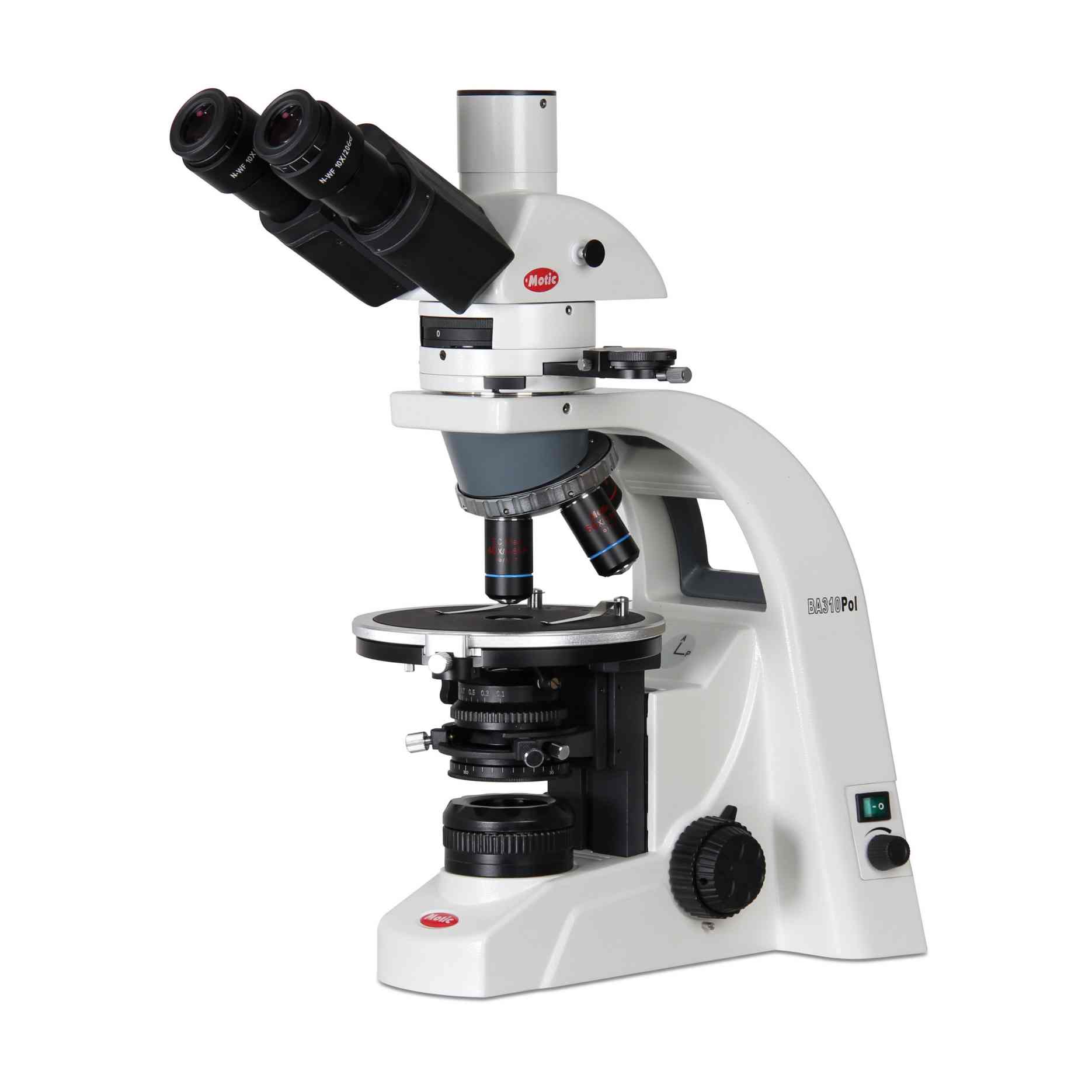
BA310Pol is a professional polarized light microscope with excellent optical performance and stable polarization system. It delivers high-contrast imaging for crystal form identification, birefringence analysis and polymorph discrimination, widely used in routine drug-excipient compatibility screening and crystallinity evaluation.
XP-300 Trinocular Polarizing Microscope
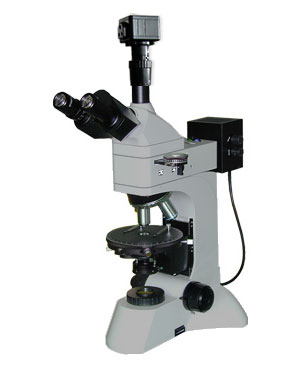
XP-300 is a trinocular polarized microscope featuring transmission/epi-illumination, 360° rotatable stage and high-contrast polarization imaging. It supports real-time observation and image acquisition, and is widely used for polymorph identification, crystal morphology analysis, drug-excipient compatibility observation and solid dispersion characterization.
PharmaAnalytica's PLM-Based Drug-Excipient Compatibility Studies
PharmaAnalytica's PLM services provide a fast, intuitive, and non-destructive solution for drug-excipient compatibility studies.

High-Throughput Visual Screening
Automated PLM imaging and analysis systems enable high-throughput excipient library screening with objective crystallinity and birefringence comparison.

Customized Study Designs
Tailored designs include crystallinity analysis, polymorph tracking, solid dispersion characterization, and binary/multi-component blend evaluation.
Regulatory-Ready Data Packages
Reports comply with ICH Q1A, Q6A, and USP <891>, including complete PLM images, morphological annotations, crystallinity evaluation, and compatibility risk ratings (low/medium/high).
End-to-End Expert Support
PhD-level scientists provide pre-study consultation, method optimization, data interpretation, and formulation improvement suggestions.
Combining reliable instruments, professional analytical expertise, and standardized processes, we help clients reduce formulation risks and accelerate pharmaceutical development.
Online Inquiry
This site is protected by reCAPTCHA and the Google Privacy Policy and Terms of Service apply.
Need More Information or Request A Quotation?
Related Links
