
CRISPR-Cas9 Screening
CRISPR-Cas9 screening is a powerful genome-editing tool that enables high-throughput functional genomics studies by systematically perturbing genes across the entire genome. The technology leverages the CRISPR-Cas9 system, derived from a bacterial immune defense mechanism, to introduce targeted DNA double-strand breaks (DSBs) in specific genomic loci. The key components include:
Guide RNA (gRNA): A short RNA sequence that directs the Cas9 nuclease to the complementary DNA target site.
Cas9 Nuclease: An enzyme that induces precise DNA cleavage at the gRNA-specified location.
DNA Repair Mechanisms: Cells repair CRISPR-induced breaks primarily through non-homologous end joining (NHEJ), often leading to gene knockout, or homology-directed repair (HDR), which can introduce specific edits.
This approach enables genome-wide loss-of-function (LOF) or gain-of-function (GOF) studies, making it invaluable for identifying novel drug targets.
CRISPR-Cas9 Screening in Drug Target Discovery
CRISPR screening has revolutionized drug discovery by uncovering critical genes involved in disease mechanisms and therapeutic responses. A genome-wide CRISPR screen revealed that Werner syndrome helicase (WRN) is essential for the survival of microsatellite instability-high (MSI-H) cancer cells but dispensable in normal cells. This discovery highlighted WRN as a promising therapeutic target for MSI-H tumors, leading to ongoing drug development efforts. CRISPR screens also identified 53BP1 loss as a key mechanism of resistance to PARP inhibitors in BRCA1-deficient cancers. This finding has guided combination therapy strategies to overcome resistance in ovarian and breast cancer treatment.
Standard CRISPR-Cas9 Screening Workflow
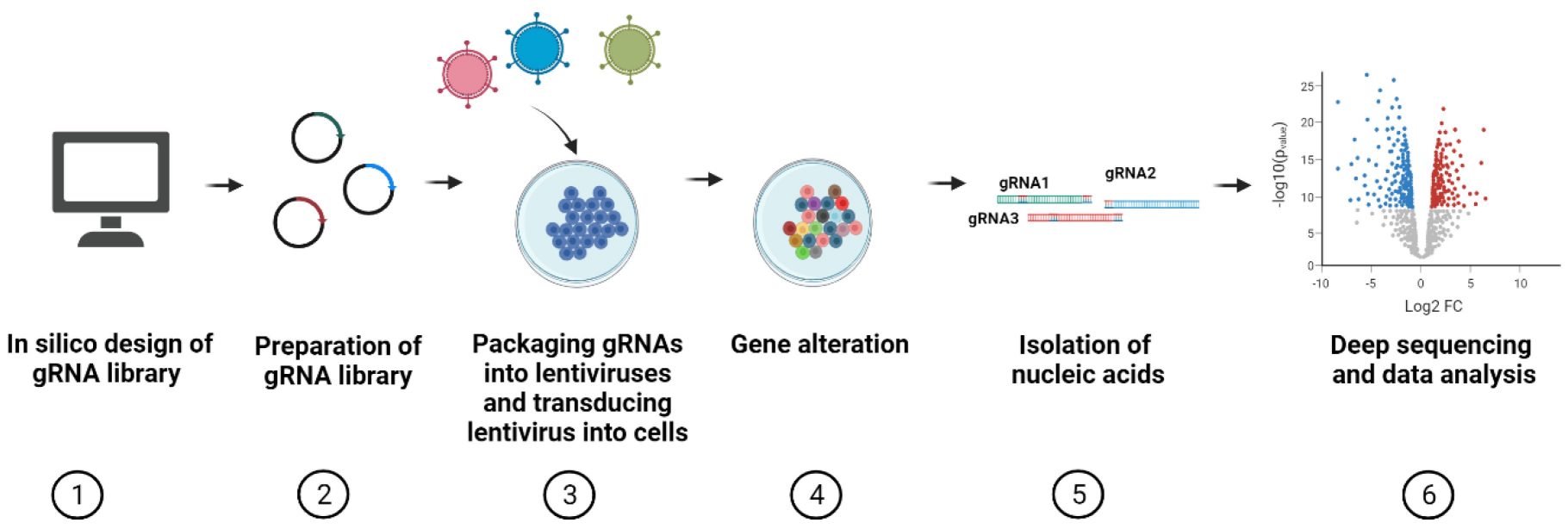 Fig. 1 A technical flow chart for CRISPR-Cas9 screening 3
A systematic CRISPR-Cas9 screening pipeline involves six key steps to ensure robust and reproducible target identification:
(1) In Silico Design of gRNA Libraries
- Library Selection: Choose between genome-wide or custom-focused libraries targeting specific pathways.
- gRNA Design: Use bioinformatics tools (e.g., CRISPOR, CHOPCHOP) to optimize on-target efficiency and minimize off-target effects.
(2) Cloning and Validation of gRNA Library
- Vector Cloning: Clone synthesized gRNAs into lentiviral backbone vectors (e.g., lentiCRISPRv2) via Gibson assembly or Golden Gate cloning.
- Library Validation: Sanger sequencing confirms gRNA sequence integrity. Next-generation sequencing (NGS) verifies library representation and uniformity.
(3) Packaging gRNAs into Lentiviruses and Transduction
- gRNAs Synthesis and Amplification: gRNA-encoding oligonucleotides are synthesized and cloned into vector backbones. The library is amplified in bacteria to ensure sufficient quantity for screening.
- gRNAs Lentiviral Packaging: The gRNA library is packaged into lentiviruses. Viral particles are concentrated and titrated to determine optimal MOI.
- Cell Transduction: Infect Cas9-expressing cells at MOI ~0.3–0.4 to ensure single-gRNA integration.
(4) Alteration of Genes in Experimental Conditions
Apply drug treatment, nutrient stress, or other selective pressures to enrich for gRNAs altering the desired phenotype.
(5) Isolation of Nucleic Acids
- Genomic DNA Extraction: Extract genomic DNA of control cells and selected cells with desired phenotype.
- gRNA Amplification: PCR amplify integrated gRNAs with barcoded primers for multiplexed sequencing.
(6) Deep Sequencing and Data Analysis
Perform Illumina NextSeq/NovaSeq to quantify gRNA abundance.
PharmaAnalytica's Technology Platform
GenePure Series Nucleic Acid Purification System
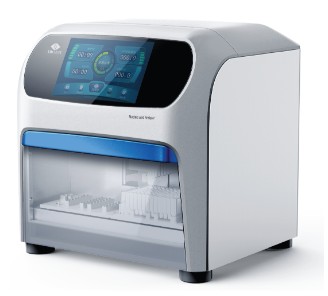
GenePure enables high-efficiency CRISPR-Cas9 screening with ultra-pure gRNA and optimized delivery systems, ensuring precise gene editing and robust phenotypic readouts for functional genomics studies.
GeneExplorer Series Thermal Cycler
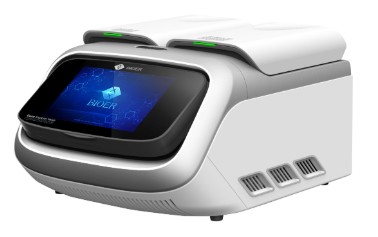
GeneExplorer Thermal Cycler ensures precise temperature control and uniform heating for high-efficiency CRISPR-Cas9 screening, enabling reliable PCR amplification of gRNA constructs and seamless integration with NGS workflows.
Illumina NovaSeq 6000
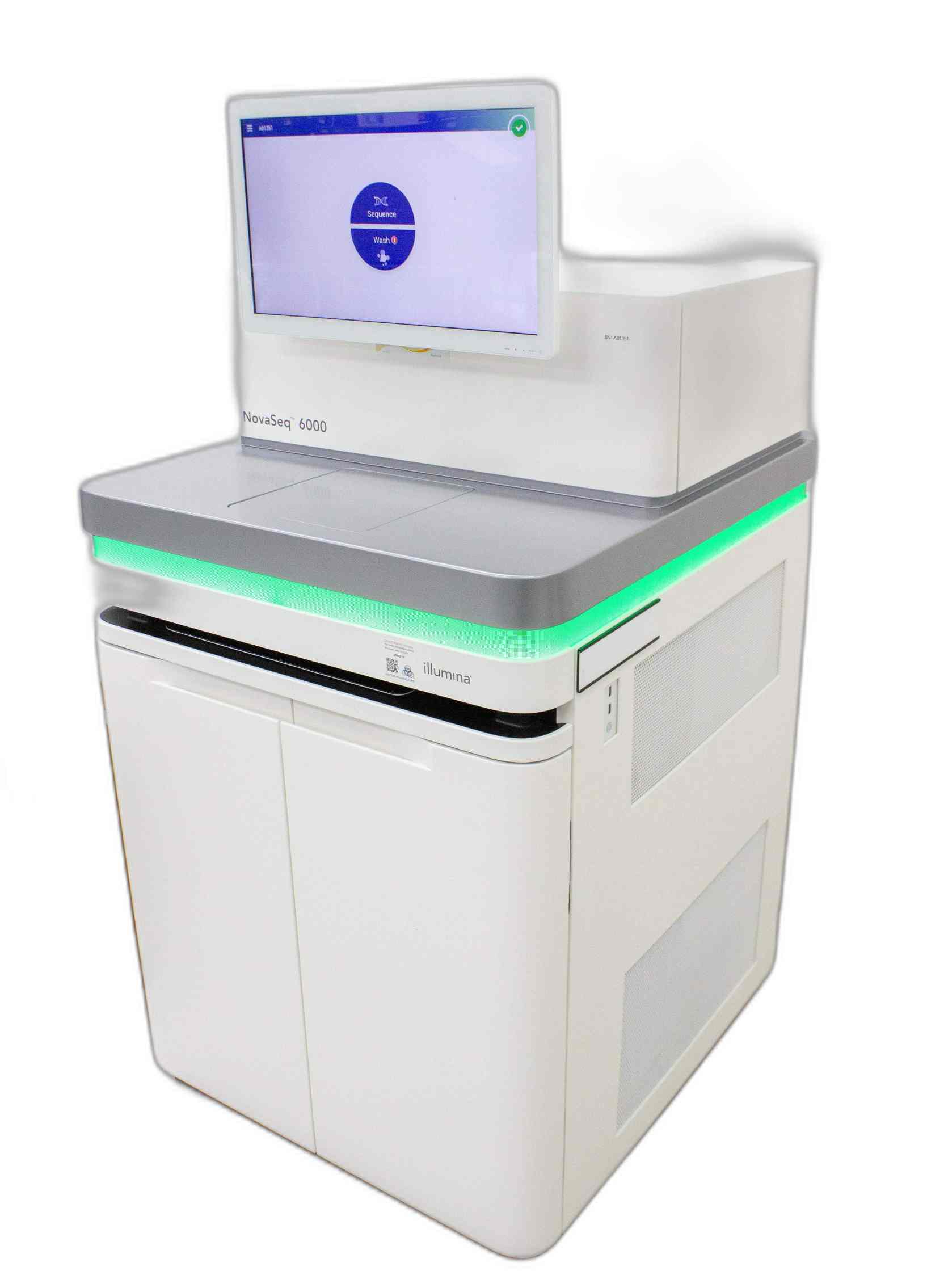
Illumina NovaSeq 6000 delivers ultra-high-throughput sequencing for CRISPR-Cas9 screening, enabling comprehensive genome-wide analysis with deep coverage and high accuracy to identify functional gene targets and off-target effects.
PharmaAnalytica's CRISPR-Cas9 Screening Services
CRISPR-Cas9 screening is a game-changing technology for drug target discovery. PharmaAnalytica’s comprehensive services—from screen design to clinical translation—empower researchers to accelerate precision medicine breakthroughs.

Customized Library Design
Tailored libraries for gene knockout (CRISPR-KO), activation (CRISPRa), or inhibition (CRISPRi).

Integrated Multi-Omics Validation
Combines CRISPR hits with transcriptomics/proteomics for mechanistic insights.
High-Efficiency Delivery & Editing
Optimized lentiviral/AAV transduction with high editing efficiency.
Regulatory & Translational Support
Assistance with preclinical validation and IND-enabling studies.
PharmaAnalytica offers end-to-end CRISPR screening solutions with distinct benefits:
Interested in leveraging CRISPR screening for your drug discovery program? Contact PharmaAnalytica today to discuss your project!
References
- Chan, E. M., et al. (2019). "WRN helicase is a synthetic lethal target in microsatellite unstable cancers." Nature, 568(7753): 551-556.
- Dev, H., et al. (2018). "Shieldin complex promotes DNA end-joining and counters homologous recombination in BRCA1-null cells." Nature Cell Biology, 20(8): 954-965.
- Chulanov, V., et al. (2021). "CRISPR Screening: Molecular Tools for Studying Virus–Host Interactions." Viruses, 13(11): 2258.
Online Inquiry
This site is protected by reCAPTCHA and the Google Privacy Policy and Terms of Service apply.
Need More Information or Request A Quotation?
Related Links
