
Macromolecular Impurity Analysis with ELISA
Enzyme-Linked Immunosorbent Assay (ELISA) is a robust, high-sensitivity analytical technique rooted in specific antigen-antibody binding coupled with enzymatic signal amplification. In this method, capture antibodies are immobilized onto a solid-phase microplate surface to selectively bind target macromolecules from samples. After removing unbound substances, enzyme-conjugated detection antibodies are added to form a sandwich immune-complex. The enzyme then catalyzes a chromogenic substrate (e.g., TMB), producing a measurable color reaction; the intensity of which is directly proportional to the concentration of the target analyte. This mechanism enables precise, quantitative detection of trace-level proteins and macromolecules with exceptional specificity.
Applications in Impurity Test
In pharmaceutical quality control, ELISA serves as a cornerstone technique for macromolecular impurity analysis in APIs and excipients, especially for biological products and protein-based formulations. Its representative applications are as follows:
- Quantification of Host Cell Proteins (HCPs) to ensure removal of process-derived protein contaminants.
- Detection and quantitation of residual DNA from host cells, a critical safety attribute for biopharmaceutical products.
- Analysis of process-related protein impurities introduced during production, purification, and formulation.
- Measurement of protein aggregates and degradants formed during manufacturing, storage, or transportation.
Standard Workflow for ELISA-Based Impurity Analysis
The standardized workflow for ELISA-based macromolecular impurity analysis follows a rigorous, repeatable sequence:
- Coating: Immobilize highly specific capture antibodies onto microplates.
- Blocking: Treat unbound sites with BSA or casein to prevent non-specific binding.
- Sample Incubation: Add diluted API/excipient samples to bind target impurities.
- Washing: Thoroughly remove unbound sample components.
- Detection Antibody Incubation: Add enzyme-labeled detection antibodies to form immune complexes.
- Substrate Addition: Introduce chromogenic substrate to initiate enzymatic color reaction.
- Reaction Termination & Reading: Stop the reaction and measure absorbance with a microplate reader.
- Quantitation: Calculate impurity concentrations using a validated standard curve.
PharmaAnalytica's Technology Platform
8001 Automated ELISA Workstation
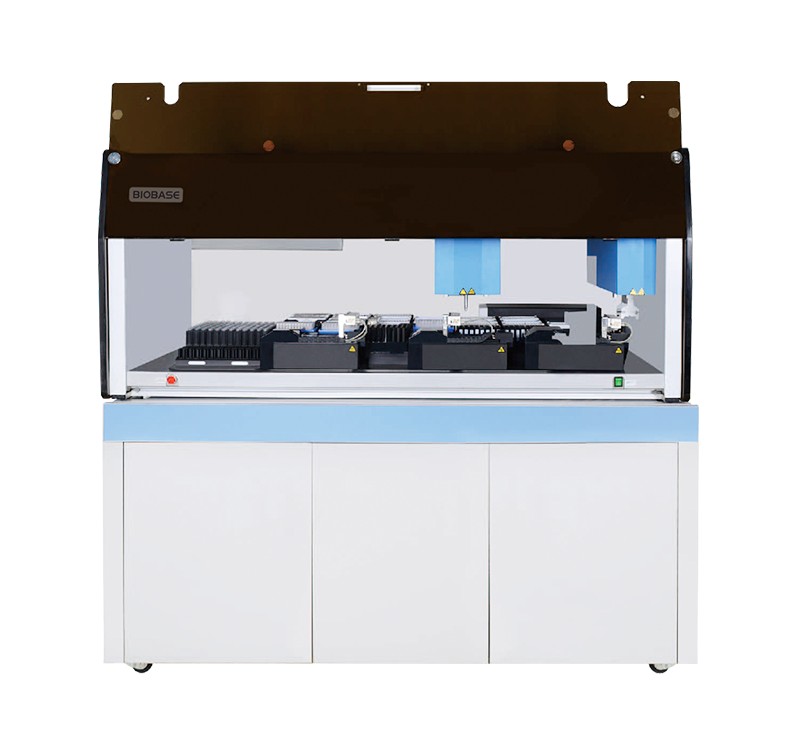
An all-in-one system integrating sample loading, incubation, washing, and reading. With 16 independent temperature-controlled modules and 3 integrated washers, 8001 Automated ELISA Workstation enables full-process automation, minimizing human error and ensuring consistent results for high-volume testing.
SuPerMax 3650 Full-Wavelength Multifunctional Microplate Reader
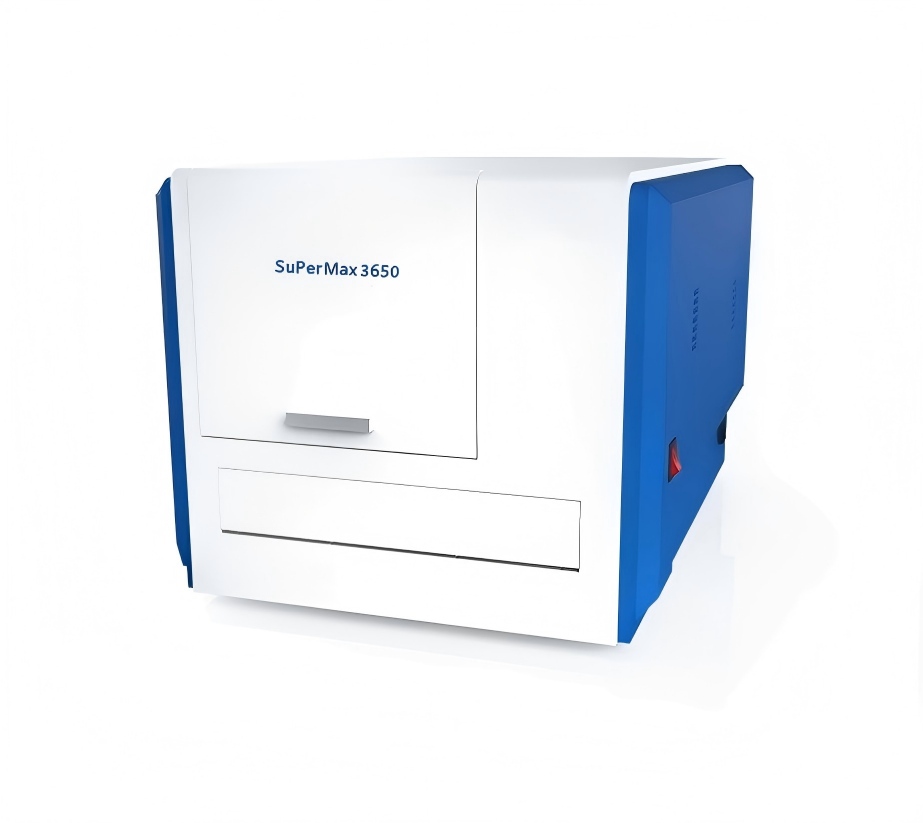
SuPerMax 3650 integrates absorbance, fluorescence, and chemiluminescence detection capabilities, fully meeting the diverse testing needs of trace macromolecular impurities such as HCPs, residual DNA, and protein aggregates. It features a full wavelength range of 200~1000 nm with 1 nm wavelength resolution and 0.3 nm wavelength repeatability, enabling precise detection of chromogenic substrates (e.g., TMB) and fluorescent labels commonly used in ELISA.
PharmaAnalytica's Macromolecular Impurity Analysis Service with ELISA

Regulatory Compliance
Our ELISA-based impurity analysis methods are fully validated in strict accordance with ICH Q2(R1) guidelines and current Good Manufacturing Practices (cGMP) standards. We provide comprehensive validation reports, and ensure all results are audit-ready and compliant with submissions to global regulatory authorities such as the FDA, EMA, and NMPA.

Custom Assay Development
Our in-house team of immunologists and analytical scientists conducts high-throughput antibody screening, affinity optimization, and matrix interference testing, ensuring the custom assays are highly specific to the target impurities in your API or excipient matrices, even for rare or unique contaminants.
Ultra-High Sensitivity
Detects impurities as low as pg/mL with minimal cross-reactivity. This ultra-high sensitivity ensures accurate quantitation of trace-level macromolecular impurities (such as HCPs and residual DNA) that may be present in APIs or excipients, with minimal cross-reactivity to other components in the complex sample matrix, avoiding false positive or negative results.
Data Integrity
All our analytical systems are equipped with 21 CFR Part 11-compliant software, which supports electronic signatures, full data traceability, and audit trails. We implement strict data management protocols to ensure that all experimental data—from sample information and instrument parameters to test results—is securely stored, cannot be tampered with, and meets global regulatory requirements for data integrity in pharmaceutical testing.
PharmaAnalytica delivers comprehensive, regulatory-compliant ELISA-based macromolecular impurity analysis services for APIs and excipients, combining advanced domestic instrumentation with scientific expertise to ensure the safety, purity, and quality of pharmaceutical products.
Online Inquiry
This site is protected by reCAPTCHA and the Google Privacy Policy and Terms of Service apply.
Need More Information or Request A Quotation?
Related Links
