
Genome-Wide Association Study (GWAS)
Genome-Wide Association Study (GWAS) is a powerful genomic approach that identifies genetic variants associated with specific traits, diseases, or drug responses by analyzing single nucleotide polymorphisms (SNPs) across the human genome. The core principle of GWAS lies in comparing the genetic makeup of individuals with a particular phenotype (e.g., disease susceptibility or drug response) against control groups to detect statistically significant associations.
GWAS relies on high-throughput genotyping technologies, such as SNP microarrays (e.g., Illumina Infinium, Affymetrix Axiom) or next-generation sequencing (NGS), to scan millions of genetic markers. By applying rigorous statistical methods (e.g., logistic regression, linear mixed models), GWAS pinpoints loci where genetic variations correlate with the trait of interest. To ensure reliability, GWAS employs genome-wide significance thresholds (p < 5×10⁻⁸) to minimize false positives. Additionally, functional annotation tools (e.g., ANNOVAR, Ensembl VEP) help interpret the biological relevance of identified SNPs, such as their impact on gene expression or protein function.
GWAS Applications in Drug Target Discovery
GWAS has played a pivotal role in identifying novel drug targets and repurposing existing therapies. A landmark GWAS study identified SNPs near the PCSK9 gene that were strongly associated with low LDL cholesterol levels 1. This discovery led to the development of PCSK9 inhibitors (e.g., alirocumab, evolocumab), which are now FDA-approved for treating hypercholesterolemia and reducing cardiovascular risk. In addition, GWAS revealed that variants in the IL6R gene were linked to inflammatory conditions such as rheumatoid arthritis 2. This finding supported the repurposing of tocilizumab, an IL-6 receptor antagonist, for treating severe COVID-19-related cytokine storms.
Standard GWAS Workflow
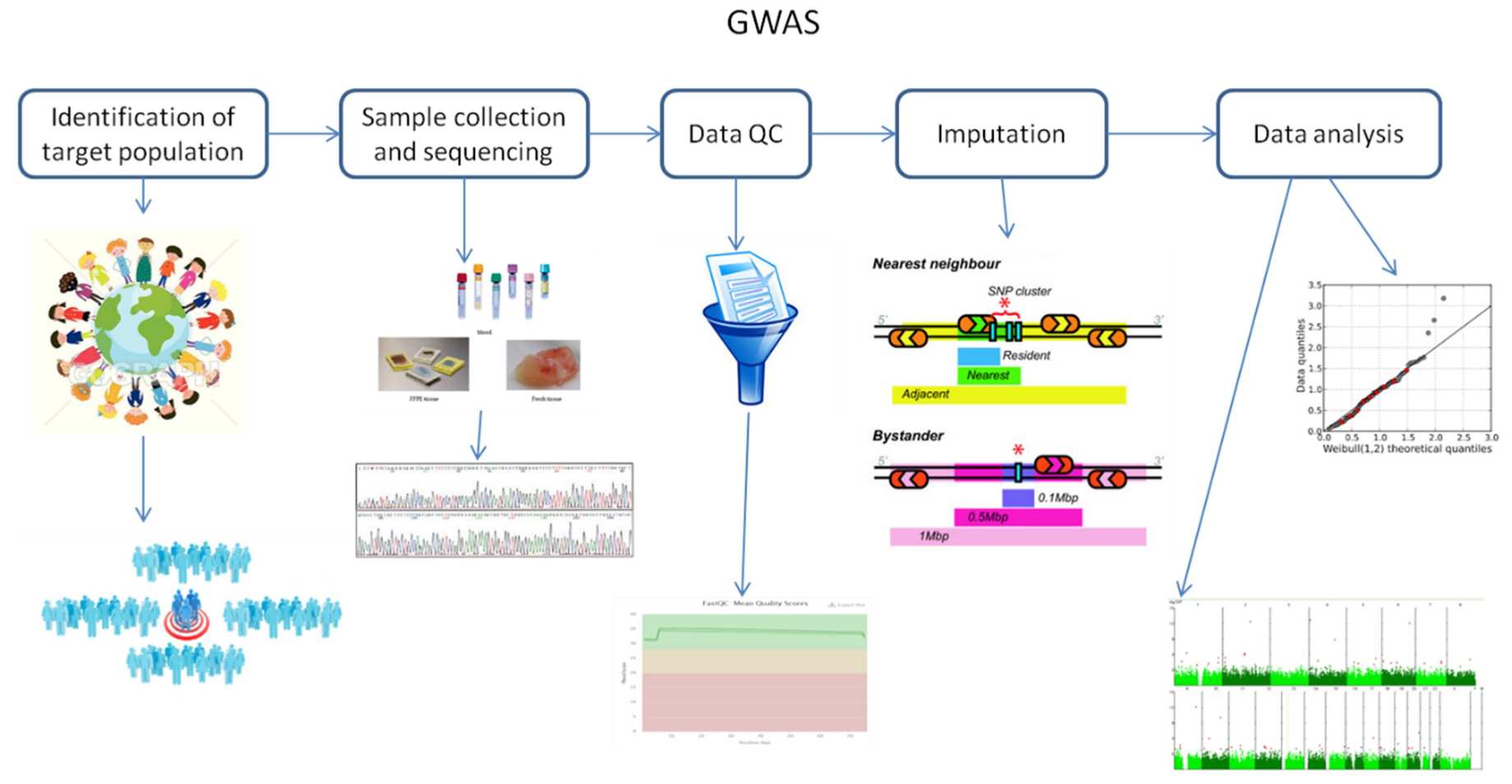 Fig. 1 A technical flow chart for genome-wide association studies (GWAS) 3
A well-structured GWAS follows a systematic pipeline to ensure robust and reproducible results:
(1) Identification of Target Population
- Cohort Selection: Define the study population based on phenotype (e.g., disease cases vs. healthy controls).
- Sample Size Consideration: Large cohorts (thousands of individuals) are preferred to achieve sufficient statistical power.
(2) Sample Collection and Sequencing
- DNA Extraction: High-quality genomic DNA is isolated from blood, saliva, or tissue samples.
- Genotyping/Sequencing: SNP Microarrays (e.g., Illumina, Affymetrix) for cost-effective genotyping; Whole-Genome Sequencing (WGS) for comprehensive variant detection, including rare SNPs and structural variations.
(3) Data Quality Control (QC)
- Sample QC: Remove samples with low call rates, contamination, or population outliers.
- Variant QC: Filter out SNPs with high missing rates, low minor allele frequency (MAF), or deviation from Hardy-Weinberg equilibrium.
(4) Imputation
- Reference Panel Usage: Impute missing genotypes using reference datasets (e.g., 1000 Genomes, Haplotype Reference Consortium).
- Statistical Imputation Methods: Tools like IMPUTE2 or Minimac4 predict ungenotyped SNPs to enhance variant coverage.
(5) Data Analysis
- Association Testing:
Single-SNP Analysis: Logistic/linear regression identifies trait-associated variants (p < 5×10⁻⁸ for significance).
Population Stratification Adjustment: Methods like principal component analysis (PCA) correct for ancestry differences.
- Post-GWAS Analysis:
Functional Annotation: Tools (e.g., ANNOVAR, GTEx) assess SNP impact on genes and regulatory elements.
Pathway/Network Analysis: Prioritize biologically relevant genes using GO, KEGG, or protein-protein interaction networks.
PharmaAnalytica's Technology Platform
GenePure Series Nucleic Acid Purification System
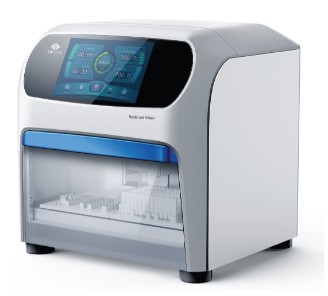
GenePure enables high-throughput, reliable DNA isolation for Genome-Wide Association Studies (GWAS), ensuring consistent sample quality for accurate genotyping and sequencing analysis.
Npex 192 Automatic Nucleic Acid Extractor
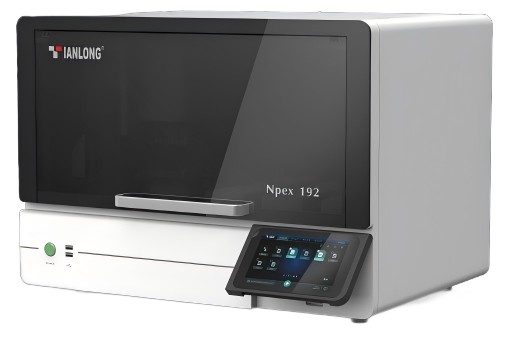
Npex 192 utilizes the proven magnetic bead method to offer rapid, high-throughput DNA/RNA extraction (192 samples in 12 min), accelerating GWAS-based drug target discovery by ensuring high-purity genetic material for downstream sequencing and variant analysis.
MGISEQ Series Sequencer
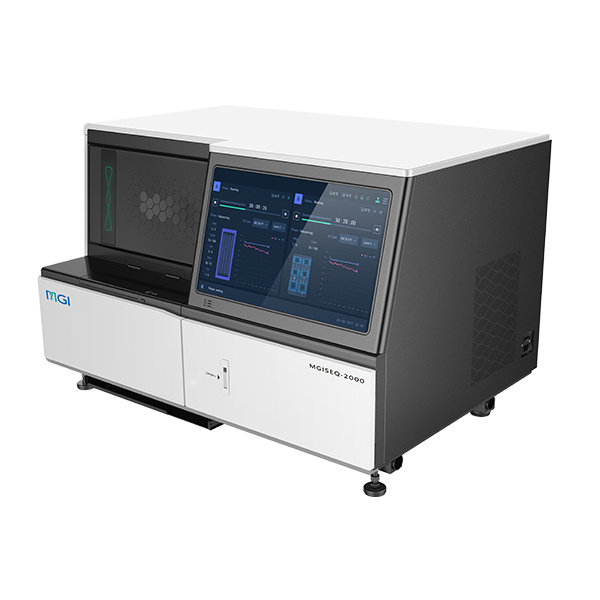
MGISEQ series provides high-throughput, cost-effective whole-genome sequencing for Genome-Wide Association Studies (GWAS), delivering accurate variant detection and scalable data output to empower large-scale genetic association analysis
PharmaAnalytica's GWAS Services
PharmaAnalytica offers a comprehensive GWAS-based drug target discovery service with distinct advantages:
GWAS is a transformative tool for uncovering novel drug targets with strong genetic evidence. PharmaAnalytica's integrated GWAS services—from discovery to validation—empower researchers and biopharma companies to accelerate precision medicine breakthroughs.

Multi-Omics Integration
Combines GWAS with transcriptomics (eQTL), proteomics, and metabolomics for deeper mechanistic insights.

AI-Driven Target Prioritization
Machine learning models rank candidate genes based on druggability, pathway relevance, and safety profiles.
End-to-End Validation Support
In-house CRISPR screening, high-throughput assays, and animal models ensure robust target validation.
Regulatory & Clinical Expertise
Assistance with IND-enabling studies and biomarker development to streamline regulatory approval.
Interested in leveraging GWAS for your drug discovery program? Contact PharmaAnalytica today to explore customized solutions!
References
- Cohen, J. C., et al. (2006). "Sequence variations in PCSK9, low LDL, and protection against coronary heart disease." New England Journal of Medicine. 354(12): 1264-1272.
- Ferreira, M. A., et al. (2013). "Shared genetic origin of asthma, hay fever, and eczema elucidates allergic disease biology." Nature Genetics. 45(12): 1366-1370.
- Jurj M-A, et al. (2020) "Critical Analysis of Genome-Wide Association Studies: Triple Negative Breast Cancer Quae Exempli Causa." International Journal of Molecular Sciences. 21(16): 5835.
Online Inquiry
This site is protected by reCAPTCHA and the Google Privacy Policy and Terms of Service apply.
Need More Information or Request A Quotation?
Related Links
