
Target-Responsive Accessibility Profiling (TRAP)
Target-Responsive Accessibility Profiling (TRAP) is an innovative chemoproteomic approach developed by Tian et al. in 2023 for identifying drug-protein interactions by monitoring changes in lysine residue accessibility upon ligand binding. The core principle of TRAP relies on the observation that when a small molecule binds to its target protein, the active lysine residues within or near the binding site become shielded from covalent labeling due to steric hindrance or conformational changes. To detect these alterations, TRAP employs isotope-coded formaldehyde (CD₂O) and a borane–pyridine complex (BPC) to dimethylate accessible lysine residues, resulting in a mass shift of +32.06 Da. This labeling strategy avoids interference from endogenous lysine dimethylation, enabling precise quantification of residue accessibility changes. Following mass spectrometry (MS) analysis, the differences in lysine dimethylation between ligand-treated and untreated samples are compared, generating TRAP ratios for each peptide. Peptides with significant TRAP ratio changes are classified as target-responsive peptides (TRPs), and their corresponding proteins are identified as potential drug targets. This method provides a high-resolution map of ligand-induced protein structural changes, facilitating the discovery of both direct and allosteric binding sites.
TRAP in Drug Target Discovery
TRAP has emerged as a powerful tool in drug discovery due to its ability to detect subtle protein-ligand interactions in complex biological systems. Unlike traditional methods such as thermal proteome profiling (TPP) or affinity purification-mass spectrometry (AP-MS), TRAP directly probes binding-induced structural changes at the amino acid level, offering higher resolution and specificity. A key advantage of TRAP is its compatibility with native cellular environments, allowing researchers to study drug-target engagement under physiologically relevant conditions. Additionally, TRAP can identify allosteric binding sites and weak interactions that may be missed by other techniques. For example, Tian et al. successfully applied TRAP to uncover novel targets of kinase inhibitors in cancer cells, revealing previously unknown off-target effects that could influence drug efficacy and toxicity.1
Standard TRAP Workflow
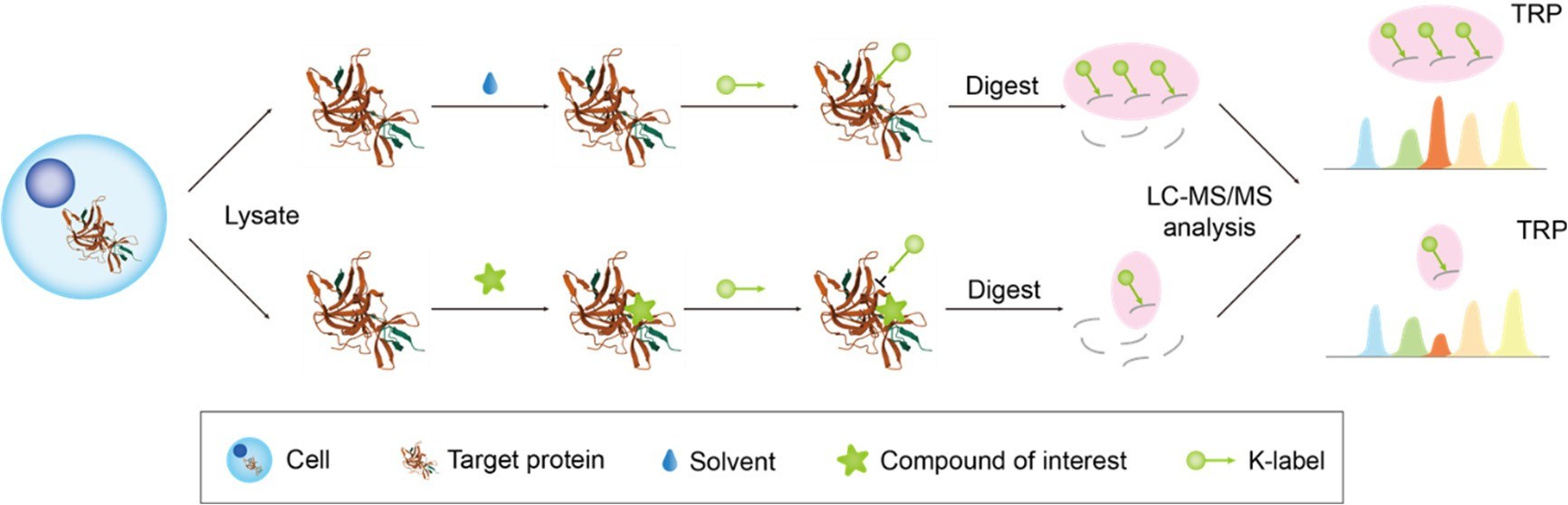 Fig 1. A general representation of the TRAP workflow.2
PharmaAnalytica’s TRAP-based drug target discovery service follows a systematic workflow to ensure accurate and reproducible results:
(1) Sample Preparation: Cells or tissues are treated with the drug candidate or control, followed by lysis to extract proteins.
(1) TRAP Labeling: Isotope-coded CD₂O and BPC are used to dimethylate accessible lysine residues, with parallel labeling of ligand-treated and untreated samples.
(1) Protein Digestion: Labeled proteins are enzymatically digested into peptides for MS analysis.
(1) LC-MS/MS Analysis: Peptides are separated by liquid chromatography and analyzed by high-resolution mass spectrometry.
(1) Data Processing: MS data are processed to quantify lysine dimethylation changes, and TRAP ratios are calculated for each peptide. Peptides with significant TRAP ratio shifts are mapped to proteins, which are prioritized as potential drug targets.
PharmaAnalytica's Technology Platform
EXPEC 5310 LC-MS/MS System
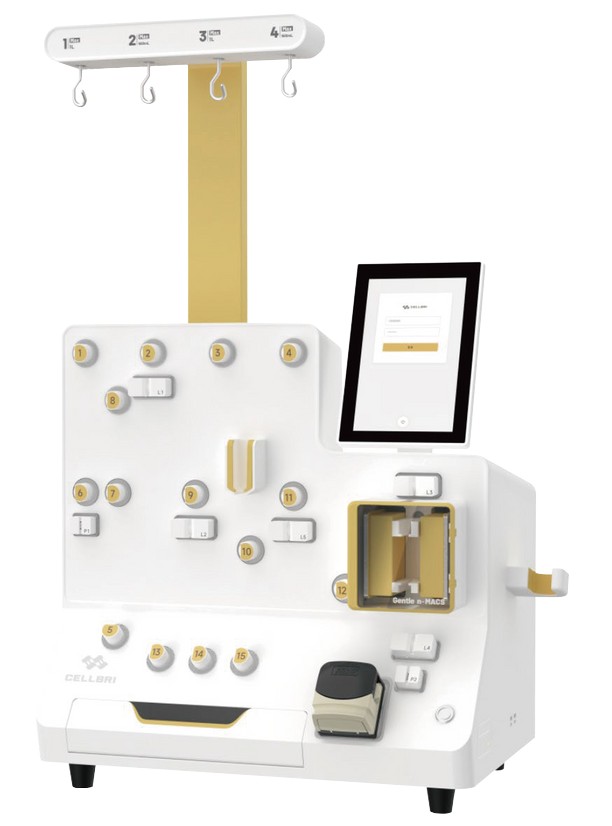
The EXPEC 5310 LC-MS/MS System is an ultra-high-performance triple quadrupole LC-MS/MS tailored for Target-Responsive Accessibility Profiling. It delivers high chromatographic resolution, fast scanning speed (≥20,000 amu/s), and ultra-high sensitivity to detect subtle accessibility and conformational changes of target proteins induced by small-molecule binding. Its robust ion source and optimized ion transmission ensure stable analysis in complex biological samples. It enables label-free, high-throughput identification and quantification of target-ligand interactions, providing critical data for target screening, binding site mapping, and affinity assessment in TRAP workflows.
TQ9200 LC-MS/MS System
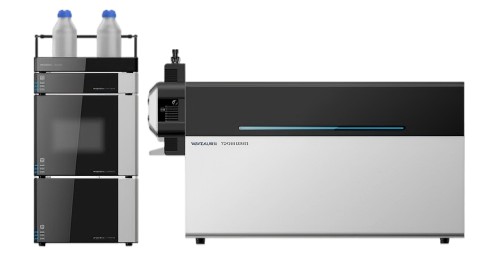
LC-MS-TQ9200 is a high-performance triple quadrupole LC-MS/MS system for Target-Responsive Accessibility Profiling. It enables high-sensitivity separation and quantitative analysis of target proteins and bound small molecules in complex biological matrices. Its high-resolution chromatography and fast MS/MS scanning capture conformational changes and accessibility shifts of target proteins upon ligand binding. With stable ion transmission and low background noise, it accurately identifies target-ligand interactions, supports high-throughput screening of drug targets, and provides reliable data for target validation and affinity evaluation in TRAP assays.
PharmaAnalytica's TRAP -Based Drug Target Discovery Services
PharmaAnalytica offers a cutting-edge TPP service designed to accelerate drug discovery pipelines by combining advanced MS technology with expert bioinformatics analysis.

High Sensitivity and Resolution
Our advanced MS technology detects even minor lysine accessibility changes, enabling the identification of low-abundance targets.

Comprehensive Bioinformatics Support
We provide end-to-end data analysis, including TRAP ratio calculation, statistical modeling, and pathway enrichment.
Expertise in Diverse Disease Areas
We specialize in oncology, neurodegeneration, and infectious diseases, offering tailored solutions for each research need.
Fast Turnaround and Scalability
Our optimized protocols enable high-throughput screening of multiple drug candidates with rapid data delivery.
By leveraging TRAP’s unique capabilities, PharmaAnalytica empowers researchers to uncover novel drug targets with unprecedented precision, accelerating the development of next-generation therapeutics.
References
- Tian, X. et al. (2023). "Target-responsive accessibility profiling (TRAP) reveals drug-target interactions at amino acid resolution." Nature Chemical Biology. 19(5): 456-465.
- Zou, M., et al. (2024). "Therapeutic target identification and drug discovery driven by chemical proteomics." Biology. 13, 555.
Online Inquiry
This site is protected by reCAPTCHA and the Google Privacy Policy and Terms of Service apply.
Need More Information or Request A Quotation?
Related Links
