
Isothermal Titration Calorimetry (ITC)
Isothermal Titration Calorimetry (ITC) is a powerful biophysical technique that directly measures the heat changes associated with molecular interactions, providing a comprehensive thermodynamic profile of binding events. During an ITC experiment, a ligand is titrated into a solution containing the target molecule, and the heat absorbed or released (exothermic or endothermic) is measured in real time. This allows for the determination of key binding parameters, including binding affinity (Kd), stoichiometry (n), enthalpy (ΔH), and entropy (ΔS).
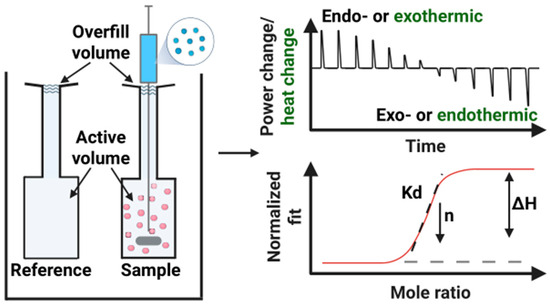 Fig 1. Illustration of the ITC working principle.1
Unlike other binding assays, ITC does not require labeling or immobilization, making it a label-free, solution-phase method that yields highly accurate and quantitative data.
Applications in High-Throughput Screening (HTS)
In the Hit-to-Lead (H2L) phase of drug discovery, ITC plays a critical role in characterizing and prioritizing hit compounds. By measuring the thermodynamic signatures of interactions between small molecules, peptides, or biologics and their targets, ITC helps researchers:
- Validate binding interactions with high precision, eliminating false positives from primary screening.
- Guide lead optimization by revealing whether binding is driven by enthalpy (e.g., hydrogen bonds, electrostatic interactions) or entropy (e.g., hydrophobic effects, conformational changes).
- Assess selectivity and specificity by comparing binding thermodynamics across related targets.
- Evaluate fragment binding, even for weak interactions (Kd in the µM to mM range), which is crucial for fragment-based drug discovery (FBDD).
Since ITC provides a complete thermodynamic profile, it enables researchers to make informed decisions on which hits to advance, improving the efficiency of lead compound selection.
ITC offers several unique advantages over other binding assays. First, it is a label-free and immobilization-free technique, eliminating potential artifacts caused by surface attachment or fluorescent tags. Second, ITC provides direct measurement of binding thermodynamics, including enthalpy (ΔH) and entropy (ΔS), which are critical for understanding the driving forces behind molecular interactions. This information is invaluable for structure-activity relationship (SAR) studies, as it helps chemists optimize compounds for better binding affinity and specificity. Additionally, ITC is highly versatile, capable of studying a wide range of biomolecules, including proteins, nucleic acids, lipids, and small molecules, in near-native conditions (e.g., in solution, without modifications). Unlike surface-based techniques (e.g., SPR, BLI), ITC does not suffer from mass transport limitations or steric hindrance, making it particularly useful for studying low-affinity fragments or multivalent interactions. Finally, ITC requires minimal sample preparation, reducing experimental variability and ensuring reproducibility.
PharmaAnalytica's Technology Platform
NANO ITC
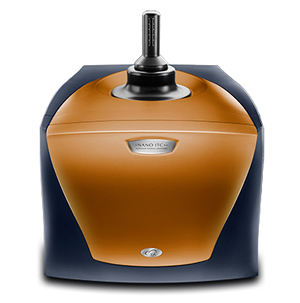
NANO ITC enables sensitive hit screening by detecting heat changes as low as 120 nanojoules in biological polymers at 1 nM or lower concentrations, making it ideal for binding and kinetic studies with limited, pure, or dilute samples.
PEAQ-ITC
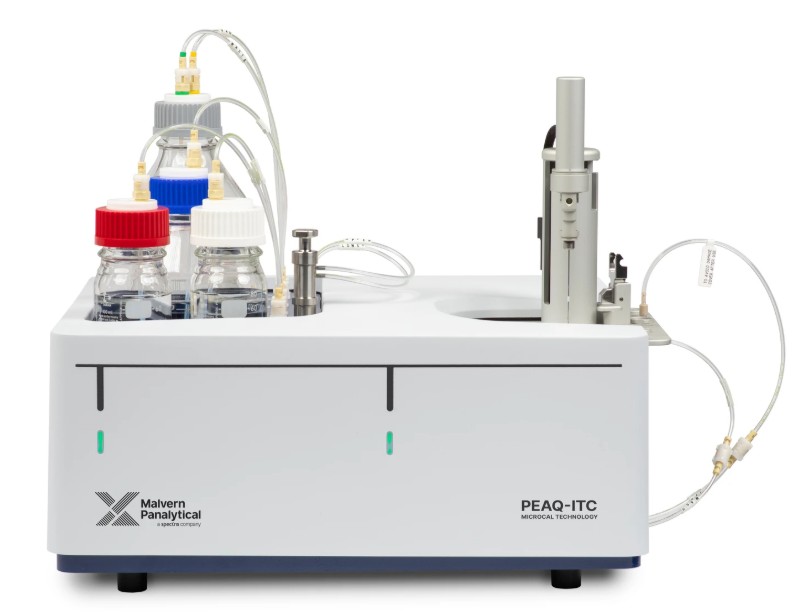
PEAQ-ITC enables label-free, high-sensitivity screening of drug candidates in HIT (Hit Identification) stages by directly measuring binding affinities (weak to strong) with minimal sample (10µg), accelerating early-stage drug development.
PharmaAnalytica's HIT Screening Services with ITC
PharmaAnalytica's ITC-based hit screening services combine advanced instrumentation, deep scientific expertise, and client-focused solutions to deliver highly reliable, actionable data for early-stage drug discovery.

Cutting-Edge ITC Platforms & Expertise
PharmaAnalytica employs high-sensitivity ITC instruments operated by experienced scientists to ensure high-quality, reproducible data. Our team optimizes experimental conditions to deliver reliable thermodynamic profiles for even the most challenging targets.

Comprehensive Hit Characterization & Prioritization
Beyond measuring binding affinity (Kd), we provide full thermodynamic analysis (ΔH, ΔS, ΔG), helping clients understand the nature of molecular interactions. Our reports include hit validation, selectivity assessment, and SAR insights, enabling informed decision-making in lead optimization.
Actionable Insights & Rigorous Quality Control
We tailor ITC experiments to meet specific project needs, including fragment screening, competition binding studies, protein-protein/peptide interactions, as well as ion- and small-molecule binding.
Multi-Technique Integration for Robust Data
To complement ITC data, we integrate other biophysical methods for cross-validation, ensuring a comprehensive molecular interaction profile. This multi-technique approach enhances hit confidence and accelerates drug discovery.
By leveraging the full thermodynamic insights provided by ITC, we help researchers rapidly identify and optimize lead compounds with greater efficiency and confidence. Whether for small-molecule drug discovery, biologics development, or fragment-based screening, our ITC services provide the precision and depth of analysis needed to advance promising candidates toward clinical development.
Reference
- Guerrero, M., et al. (2025). "Applications of Isothermal Titration Calorimetry in Studying Biomimetic Nanocarriers." Biomolecules. 15(10): 1349.
Online Inquiry
This site is protected by reCAPTCHA and the Google Privacy Policy and Terms of Service apply.
Need More Information or Request A Quotation?
Related Links
