
Nanoparticle Tracking Analysis (NTA)
Nanoparticle Tracking Analysis (NTA) is an advanced analytical technique that enables the high-resolution characterization of nanoparticles in liquid suspensions. The method utilizes a laser beam to illuminate particles in a sample, while a high-sensitivity camera captures the scattered light from individual nanoparticles undergoing Brownian motion. By analyzing the movement trajectories of these particles frame-by-frame, NTA calculates their hydrodynamic diameter based on the Stokes-Einstein equation. Unlike ensemble-based techniques such as Dynamic Light Scattering (DLS), NTA provides particle-by-particle size distribution, concentration (particles/mL), and the ability to detect subpopulations and aggregates—making it particularly valuable for complex biological and pharmaceutical formulations.
Applications in Pharmaceutical Partical Analysis
NTA plays a critical role in multiple stages of drug development, particularly for nanomedicines, lipid nanoparticles (LNPs), viral vectors, and protein-based therapeutics.
- Formulation Optimization: Helps assess particle size uniformity, detect aggregation, and monitor stability under different storage conditions.
- Gene Therapy and mRNA Vaccine Development: Ensures the consistency of lipid nanoparticle (LNP) carriers, which directly impacts drug delivery efficiency and safety.
- Quality Control (QC): Verifies batch-to-batch reproducibility and compliance with regulatory standards (e.g., FDA, EMA).
Its ability to measure absolute particle concentration is also crucial for dosing accuracy in injectable nanotherapeutics.
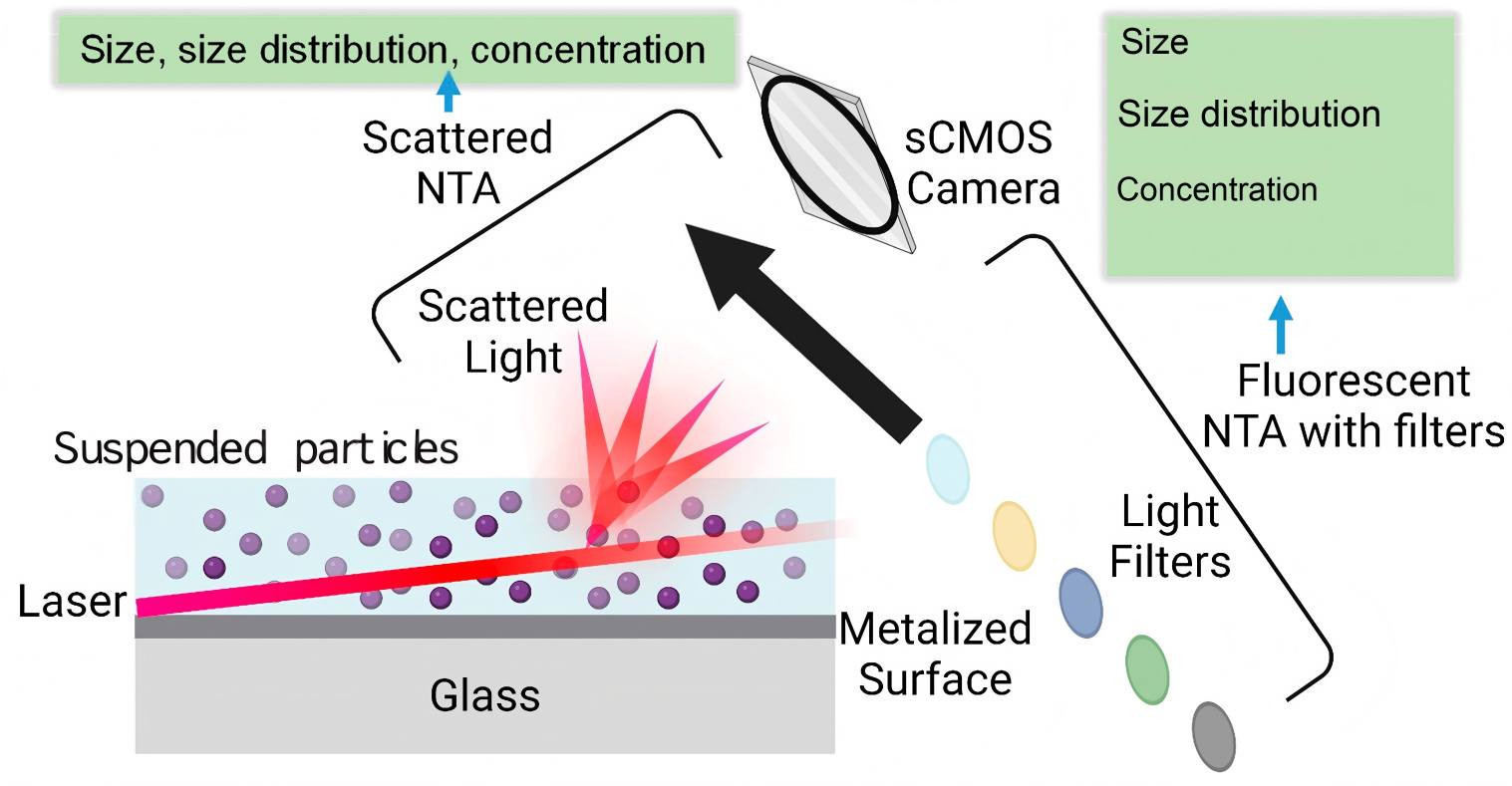
NTA offers several key advantages over traditional particle characterization methods. Unlike DLS, which provides only an average size value (Z-average) and struggles with polydisperse samples, NTA delivers high-resolution size distributions, enabling the detection of multiple particle populations (e.g., free proteins vs. drug-loaded nanoparticles). Its single-particle tracking approach allows for direct visualization of aggregates, ensuring that formulations remain free of micron-sized particulates that could trigger immune responses. Additionally, NTA's low sample volume requirement (as little as 0.3 mL) minimizes material waste, which is critical for expensive biologics. The technique is also compatible with fluorescent labeling, allowing selective analysis of specific nanoparticle populations in complex matrices (e.g., exosomes in blood serum). These capabilities make NTA indispensable for preclinical research, process development, and regulatory submissions.
PharmaAnalytica's Technology Platform
ZetaView
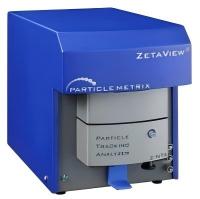
ZetaView system combines single-particle tracking with microelectrophoresis and Brownian motion dynamics, providing rapid (<1 min) and concurrent measurement of nanoparticle size, concentration, Zeta potential, and fluorescence signals for up to 1,000 individual particles per analysis.
ViewSizer 3000
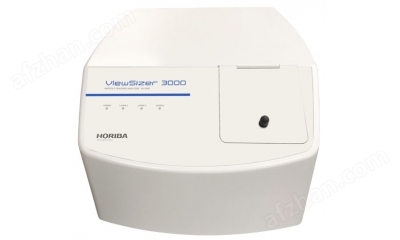
ViewSizer 3000 employs multi-laser NTA (Nanoparticle Tracking Analysis) to measure hydrodynamic diameter and size distribution with high precision. Its triple-laser configuration allows for simultaneous detection of diverse particle populations in a single sample, significantly improving resolution and reducing measurement bias.
PharmaAnalytica's NTA-Based Particle Analysis
PharmaAnalytica's NTA services empower drug developers with precise, reliable, and regulatory-ready nanoparticle characterization, accelerating the transition from lab-scale research to clinical applications. Whether for lipid nanoparticles, viral vectors, or protein biologics, our expertise ensures robust data to support your formulation success.

Cutting-Edge Instrumentation
PharmaAnalytica operates ZetaView and ViewSizer 3000 systems, ensuring industry-leading accuracy and sensitivity. Our instruments are calibrated with NIST-traceable standards, guaranteeing reliable data for regulatory filings.

Expert Data Interpretation
Beyond raw data, our team provides detailed reports with actionable insights, including stability trends, aggregation risks, and formulation optimization recommendations—tailored to your specific drug development phase.
Regulatory Compliance Support
We assist in generating GMP-compliant documentation for FDA/EMA submissions, including method validation reports, SOPs, and stability study data aligned with ICH Q6A guidelines.
Custom Solutions
We offer customized assay development to meet unique project requirements.
Online Inquiry
This site is protected by reCAPTCHA and the Google Privacy Policy and Terms of Service apply.
Need More Information or Request A Quotation?
Related Links
