
Heavy Metal Detection with ICP-OES
Inductively Coupled Plasma Optical Emission Spectroscopy (ICP-OES) is a highly sensitive analytical technique used to detect and quantify trace metal impurities in pharmaceutical products. The method involves atomizing and ionizing a liquid sample in a high-temperature plasma (up to 10,000 K), causing the metal atoms to emit characteristic wavelengths of light. These emissions are measured by a spectrometer, allowing for simultaneous multi-element detection with parts-per-billion (ppb) sensitivity. ICP-OES is particularly valuable in pharmaceutical quality control because it meets ICH Q3D, USP <232>, and EP 2.4.20 guidelines for elemental impurity testing.
Applications in Impurity Test
ICP-OES offers unparalleled advantages for metal impurity analysis compared to traditional methods. Its multi-element capability allows simultaneous detection of 30+ elements in a single run, drastically improving efficiency. The technique provides a wide linear dynamic range (ppb to %), eliminating the need for sample dilution in most cases. ICP-OES is less affected by polyatomic interferences, making it more robust for high-matrix samples (e.g., saline solutions or protein-rich biologics). Modern ICP-OES systems feature dual-view configurations (axial and radial plasma viewing), optimizing sensitivity for both low- and high-concentration elements. Additionally, ICP-OES requires minimal operator expertise due to automated wavelength selection and background correction algorithms. With routinely achievable detection limits of 1–10 ppb, it surpasses USP <231> heavy metals test (limit: 10–20 ppm) by three orders of magnitude, ensuring compliance with stringent regulatory standards.
ICP-OES is applicable to a wide range of pharmaceutical samples, including:
- Active Pharmaceutical Ingredients (APIs): Detection of catalyst residues (Pd, Pt, Ni) from synthesis
- Excipients: Screening for heavy metals (Pb, Cd, As, Hg) in natural-sourced materials
- Final Drug Products: Quantification of leachable metals from packaging (e.g., Al, Cr, V in injectables)
Samples must be digested in acid (e.g., HNO₃/HCl) before analysis, except for pre-diluted liquid formulations.
PharmaAnalytica's Technology Platform
EXPEC 6500 ICP-OES
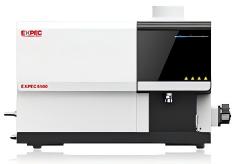
EXPEC 6500 is equipped with a large-area E-CCD detector, delivering higher detection sensitivity and a wider linear dynamic range. It enables simultaneous analysis of 72 elements in a single exposure. Additionally, it features a "one-click" intelligent sample preparation system, eliminating the need for manual intervention.
SUPEC 6020 Fully Automatic Heavy Metal Analysis System
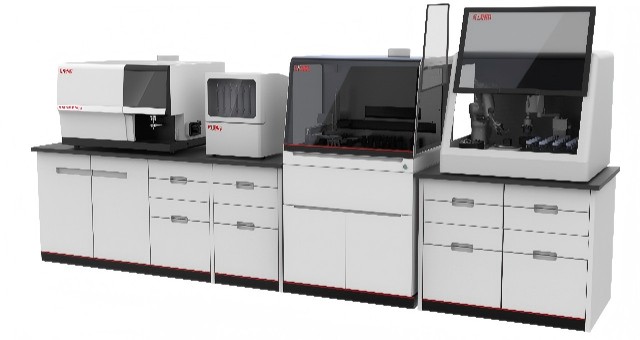
SUPEC 6020 Fully Automatic Heavy Metal Analysis System integrates automatic graphite/super microwave digestion technology with advanced ICP-OES analysis methods, enabling a "one-click" process from sample digestion to analysis. It supports fully automated sample processing and detection for various sample types, including solids, liquids, and more.
PharmaAnalytica's ICP-OES-Based Impurity Test Service
ICP-OES is the gold standard for pharmaceutical metal impurity analysis due to its speed, sensitivity, and multi-element capability. PharmaAnalytica enhances this technology with automated workflows, regulatory expertise, and customized sample preparation, helping clients meet FDA, EMA, and NMPA requirements efficiently.

Full Compliance with Global Pharmacopeias
We validate methods per ICH Q2(R1) and provide reports aligned with:
- USP <232>/<233> (elemental impurities)
- EP 2.4.20 (metal catalysts)
- JP 1.05 (Japanese standards)

Specialized Sample Preparation
For challenging samples, we apply:
- Microwave digestion for complete dissolution
- UV photolysis to decompose organic interference
- Matrix-matched calibration to correct for signal suppression
High-Tech Testing Platform
PharmaAnalytica's high-tech ICP-OES platform delivering ultra-low detection limits of 0.1 ppb (Cd/Pb). Its exclusive full-spectrum direct-reading capability enables simultaneous analysis of 70+ elements, fully meeting ICH Q3D requirements for all 24 elemental impurities.
24/7 Global Technical Support
Our team of dedicated application scientists and engineers provides real-time, multilingual assistance to ensure uninterrupted operations. From method development and optimization to instrument troubleshooting and data interpretation, we deliver expert guidance via phone, email, or remote access.
Our services enable drug manufacturers to mitigate contamination risks, avoid costly recalls, and accelerate regulatory approvals.
Online Inquiry
This site is protected by reCAPTCHA and the Google Privacy Policy and Terms of Service apply.
Need More Information or Request A Quotation?
Related Links
