
Thermal Proteome Profiling (TPP)
Thermal Proteome Profiling (TPP), also known as MS-CETSA (Mass Spectrometry-based Cellular Thermal Shift Assay), is a cutting-edge proteomics technique that leverages the principle of protein thermal stability to identify drug-protein interactions on a proteome-wide scale. The method is based on the observation that small-molecule binding often enhances the thermal stability of target proteins, altering their characteristic melting temperature (Tm) and melting curve. In TPP, cell lysates or intact cells are incubated with a compound of interest and subjected to a temperature gradient, inducing the denaturation and precipitation of unbound or less stable proteins. After centrifugation to remove aggregated proteins, the remaining soluble proteins are quantified using mass spectrometry (MS), generating thermal stability profiles for thousands of proteins simultaneously. By comparing the melting curves of proteins in the presence and absence of the compound, TPP identifies potential drug targets based on shifts in thermal stability. Unlike conventional CETSA, which relies on Western blotting for protein detection, TPP integrates high-throughput MS-based proteomics, enabling unbiased, large-scale mapping of drug-protein interactions within physiologically relevant environments. A key consideration in TPP is that while small-molecule binding can stabilize proteins, some interactions—particularly those involving large proteins or inducing minor conformational changes—may not result in significant thermal shifts, potentially leading to false negatives. Nevertheless, TPP remains a powerful tool for drug target deconvolution due to its ability to capture both direct and indirect protein-ligand interactions in complex biological systems.
TPP in Drug Target Discovery
TPP has emerged as a transformative approach in drug discovery, offering several advantages over traditional target identification methods. First, it operates in native cellular environments, preserving physiological protein interactions and post-translational modifications, which are often lost in cell-free assays. Second, TPP provides proteome-wide coverage, allowing simultaneous screening of thousands of proteins without prior knowledge of potential targets. This unbiased nature makes it particularly valuable for identifying off-target effects and polypharmacology.
A notable example of TPP's success is its application in identifying the targets of kinase inhibitors. In a study by Savitski et al. (2014), TPP was used to profile the thermal stability changes induced by the kinase inhibitor staurosporine, revealing not only its known kinase targets but also novel off-target interactions with metabolic enzymes.1 Another compelling case is the identification of the molecular target of the anticancer drug Elesclomol, where TPP uncovered its binding to mitochondrial ferredoxin 1 (FDX1), a protein critical for copper-dependent cell death.2 These examples highlight TPP's ability to uncover both expected and unexpected drug-protein interactions, making it indispensable for target validation and mechanism-of-action studies. Additionally, TPP's compatibility with live cells and tissues enhances its translational relevance, bridging the gap between in vitro assays and in vivo drug effects.
Standard TPP Workflow
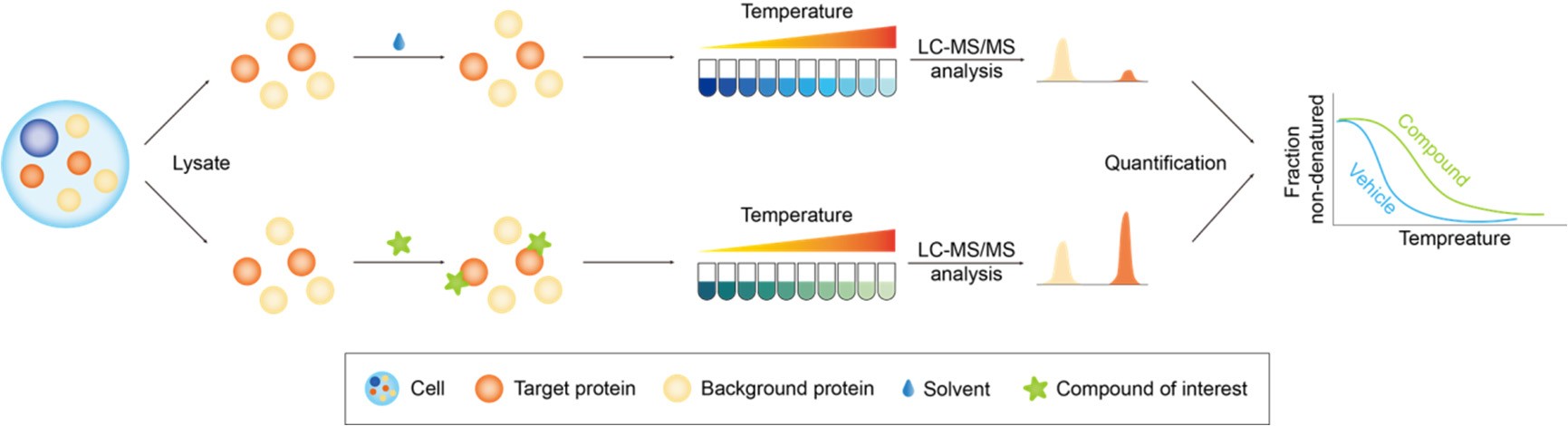 Fig 1. A general representation of the TPP workflow.3
The general workflow for TPP-based drug target discovery involves several key steps.
(1) Sample Preparation: Biological samples (cell lysates, intact cells, or tissue extracts) are prepared based on the research objectives.
(2) Compound Incubation: Samples are treated with the drug candidate or a control vehicle to allow potential protein-drug interactions.
(3) Protein Denaturation: Samples are subjected to a range of temperatures (typically 37°C to 67°C) to induce protein denaturation. Heat-treated samples are centrifuged to separate soluble proteins from denatured aggregates.
(4) Tryptic Digestion & LC-MS/MS Analysis: The soluble protein fraction is digested into peptides and analyzed using liquid chromatography-tandem mass spectrometry (LC-MS/MS).
(5) Data Processing: Quantitative proteomics data are processed to generate thermal stability curves (melting curves) for each protein. Proteins exhibiting significant Tm shifts in drug-treated samples (compared to controls) are identified using statistical methods.
This streamlined pipeline ensures a comprehensive and unbiased approach to target discovery, facilitating the transition from basic research to drug development.
PharmaAnalytica's Technology Platform
PharmaAnalytica offers a cutting-edge TPP service designed to accelerate drug discovery pipelines by combining advanced MS technology with expert bioinformatics analysis.
JY Series Ultrasonic Cell Disruptor
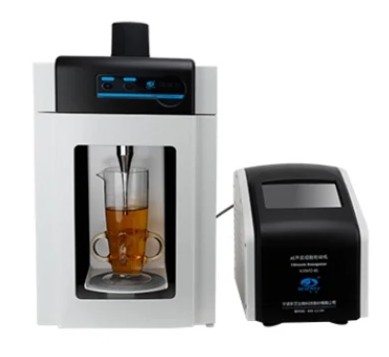
The JY Series Ultrasonic Cell Disruptor efficiently lyses cells and homogenizes samples in TPP-based drug discovery, ensuring complete protein extraction for accurate thermal stability profiling and downstream mass spectrometry analysis.
CR Series Benchtop High-Speed Centrifuges
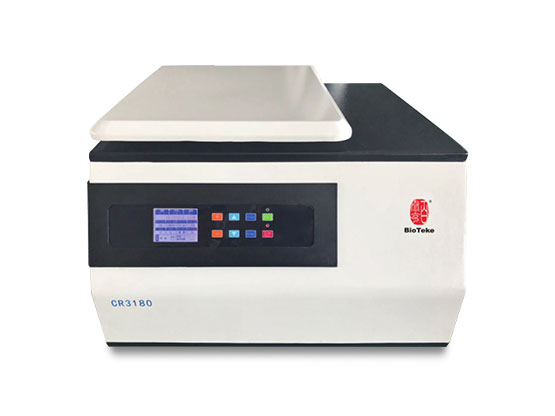
The CR Series Benchtop High-Speed Centrifuges rapidly separate heat-denatured protein aggregates from soluble fractions in TPP-based drug discovery, ensuring clean samples for precise thermal stability analysis and mass spectrometry detection.
PharmaAnalytica's TPP-Based Drug Target Discovery Services
By leveraging these strengths, PharmaAnalytica's TPP service provides researchers with a powerful tool to uncover novel drug targets with high efficiency and precision.

High Sensitivity & Reproducibility
Detects subtle thermal stability shifts, even in low-abundance proteins, ensuring comprehensive target identification.

Optimized Experimental Protocols
Incorporates precise temperature control and rigorous quality checks to minimize variability and enhance data reliability.
Comprehensive Bioinformatics Support
Provides end-to-end data analysis, from raw MS data processing to pathway enrichment and target prioritization.
Orthogonal Validation Strategies
PharmaAnalytica's TPP service provides researchers with a powerful tool to uncover novel drug targets with high efficiency and precision.
References
- Savitski, M. M. et al. (2014). "Tracking cancer drugs in living cells by thermal profiling of the proteome." Nature 513: 382–387.
- Tsvetkov, P. et al. (2022). "Copper induces cell death by targeting lipoylated TCA cycle proteins." Nature Chemical Biology 18: 876–885.
- Zou, M., et al. (2024). "Therapeutic target identification and drug discovery driven by chemical proteomics." Biology. 13, 555.
Online Inquiry
This site is protected by reCAPTCHA and the Google Privacy Policy and Terms of Service apply.
Need More Information or Request A Quotation?
Related Links
