
Fluorescence-Based Assays
Fluorescence-based assays are powerful tools in drug discovery that leverage the emission of light by fluorophores upon excitation at specific wavelengths. These assays detect molecular interactions, enzymatic activities, or cellular responses by measuring changes in fluorescence intensity, polarization, or resonance energy transfer. Key fluorescence techniques include:
Fluorescence Intensity (FI) Assays: Measure changes in fluorescence signal due to binding events (e.g., ligand-receptor interactions) or enzymatic reactions (e.g., protease cleavage of a fluorescent substrate).
Fluorescence Polarization (FP) / Anisotropy: Monitor molecular rotation speed—small molecules rotate rapidly (low polarization), while bound complexes rotate slowly (high polarization).
Fluorescence Resonance Energy Transfer (FRET): Energy transfer between a donor fluorophore and an acceptor fluorophore when they are in close proximity (<10 nm).
Time-Resolved Fluorescence (TRF): Use long-lived lanthanide chelates (e.g., Europium) to reduce background noise, enhancing sensitivity.
These methods are widely applied in high-throughput screening (HTS) due to their sensitivity, scalability, and compatibility with automated systems.
Applications in High-Throughput Screening (HTS)
Fluorescence-based assays provide high sensitivity, enabling detection of low-abundance targets even at femtomolar concentrations, which is critical for identifying weak binders in fragment-based screening. Their exceptional throughput capability allows screening of over 100,000 compounds per day using 384- or 1536-well plate formats, significantly accelerating hit identification. The technology's versatility supports diverse applications—from enzymatic activity measurements and receptor-ligand binding studies to cellular pathway analyses—through multiple detection modes (intensity, polarization, FRET).
A. Target-Based Screening
Enzyme Inhibition Assays: Measure compound effects on enzymatic activity (e.g., proteases, kinases, phosphatases) using fluorogenic substrates.
Receptor-Ligand Binding: Detect small-molecule binding to membrane receptors (e.g., GPCRs, ion channels) via FP or TR-FRET.
B. Cellular Phenotypic Screening
Cell Viability & Apoptosis: Fluorescent dyes (e.g., Calcein-AM, Annexin V) assess compound toxicity.
Second Messenger Detection: FRET-based sensors monitor intracellular calcium, cAMP, or IP3 levels in response to drug candidates.
C. Fragment-Based Drug Discovery (FBDD)
Weak Binder Detection: High-sensitivity FP assays identify low-affinity fragments (µM–mM range) for optimization.
PharmaAnalytica's Technology Platform
F98 Fluorescence Spectrophotometer
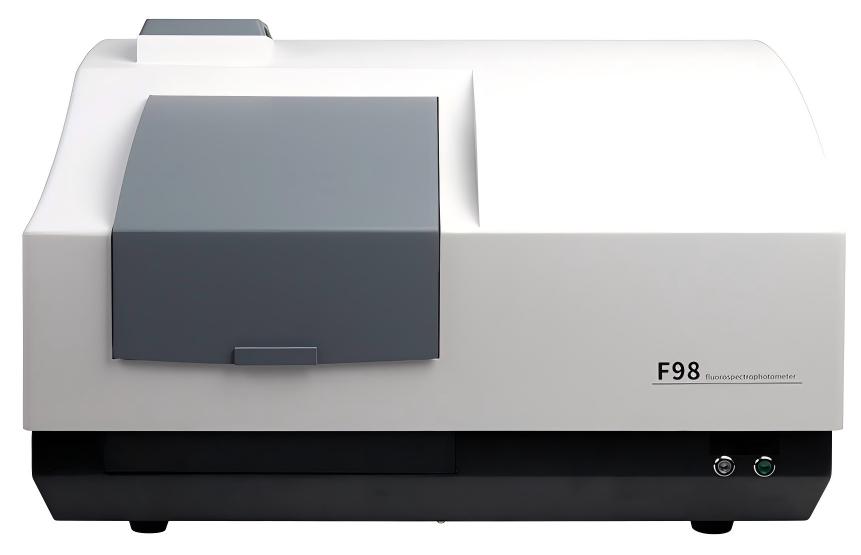
F98 Fluorescence Spectrophotometer delivers excellent luminous detection efficiency and a high signal-to-noise ratio, making it ideal for Fluorescence-Based HIT Screening in applications such as compound library screening, enzyme activity assays, and biomolecular interaction studies.
SuPerMax Series Multimode Microplate Reader
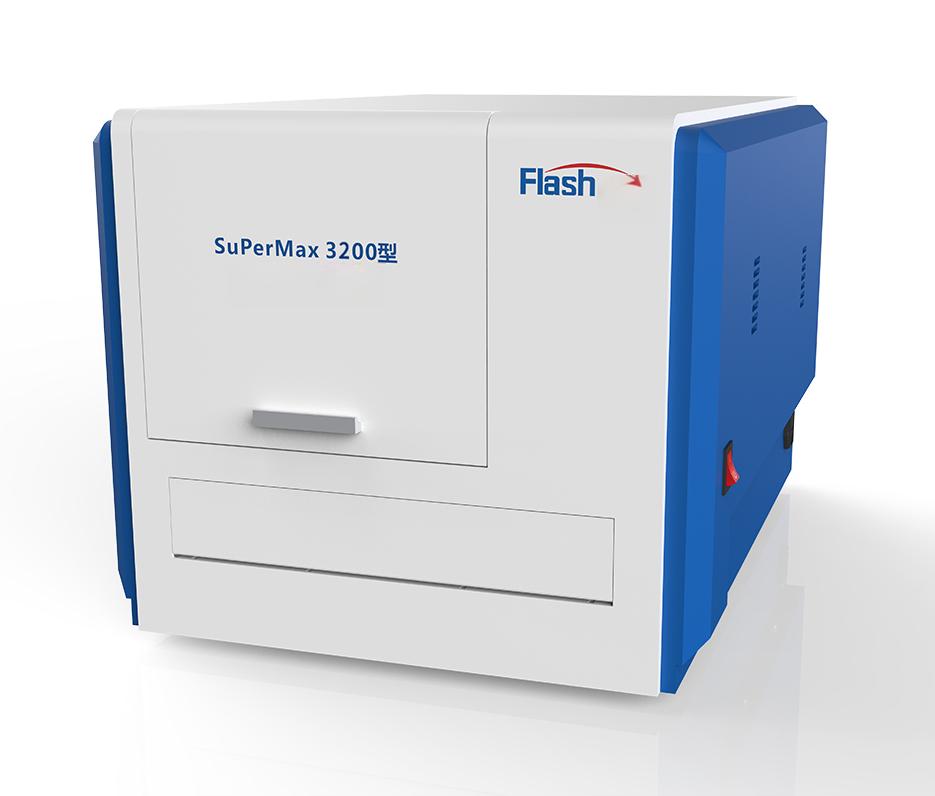
SuPerMax Series Multimode Microplate Reader enables versatile detection (fluorescence, absorbance, and chemiluminescence), ideal for drug discovery applications including protease/kinase/phospholipase activity assays, cell viability analysis, and reporter gene assays.
PharmaAnalytica's Fluorescence-Based HIT Screening Services
PharmaAnalytica combines cutting-edge fluorescence technologies with customized solutions to accelerate drug discovery:

Customized Assay Solutions
STEMart designs tailored fluorescence assays with optimized fluorophores and formats (cell-based/biochemical) to minimize interference and maximize detection accuracy.

Advanced Technology Platforms
Leveraging automated platforms and 50,000+ compound libraries, we deliver ultra-HTS with dose-response validation, accelerating hit identification.
Integrated Workflow Support
From primary screening to mechanistic studies, STEMart employs orthogonal detection methods (e.g., FP+FRET dual-readout) to cross-validate hits, ensuring high-confidence results while eliminating assay artifacts.
Expertise & Efficiency
Our PhD-led team adheres to FDA/EMA-compliant workflows, offering fast turnaround without compromising data quality, accelerating your drug discovery pipeline.
Fluorescence-based assays are indispensable for early-stage drug discovery, offering unparalleled sensitivity, speed, and scalability. PharmaAnalytica's expertise in assay design, high-throughput screening, and data analytics ensures efficient transition from hits to validated leads—reducing time and cost while maximizing success rates.
References
- Cravatt, B. F. , et al. (2008). "Activity-based protein profiling: from enzyme chemistry to proteomic chemistry." Annual Review of Biochemistry. 77 (1): 383-414.
- Joyce, J. A. , et al. (2004). "Cathepsin cysteine proteases are effectors of invasive growth and angiogenesis during multistage tumorigenesis." Cancer Cell. 5 (5): 443-453..
- Shan, W. , et al. (2018). "Advanced activity-based protein profiling application strategies for drug development." Frontiers in Pharmacology. 9, 353.
Online Inquiry
This site is protected by reCAPTCHA and the Google Privacy Policy and Terms of Service apply.
Need More Information or Request A Quotation?
Related Links
