
Microplate Reader Platform
PharmaAnalytica's Microplate Reader Platform is a high-performance, integrated solution tailored for cell and tissue-level biological analysis in pharmaceutical research, drug discovery, and quality control. Designed to meet the rigorous demands of modern biopharmaceutical development, this platform combines advanced optical detection, precise environmental control, and user-friendly software to enable comprehensive, high-throughput analysis of cellular and tissue samples. It serves as a critical bridge between in vitro biological models and drug efficacy/safety evaluation, supporting the entire drug development lifecycle from early-stage screening to final quality validation.
Microplate Reader Platform
PharmaAnalytica's platform integrates absorbance, fluorescence, and multimode readers to cover all cell/tissue-level assay needs. Its high sensitivity and precision ensures reliable detection of trace biomarkers and subtle cellular responses—critical for early-stage drug discovery and safety assessment.
ReadMax 1900Plus Full-Wavelength Absorbance Microplate Reader
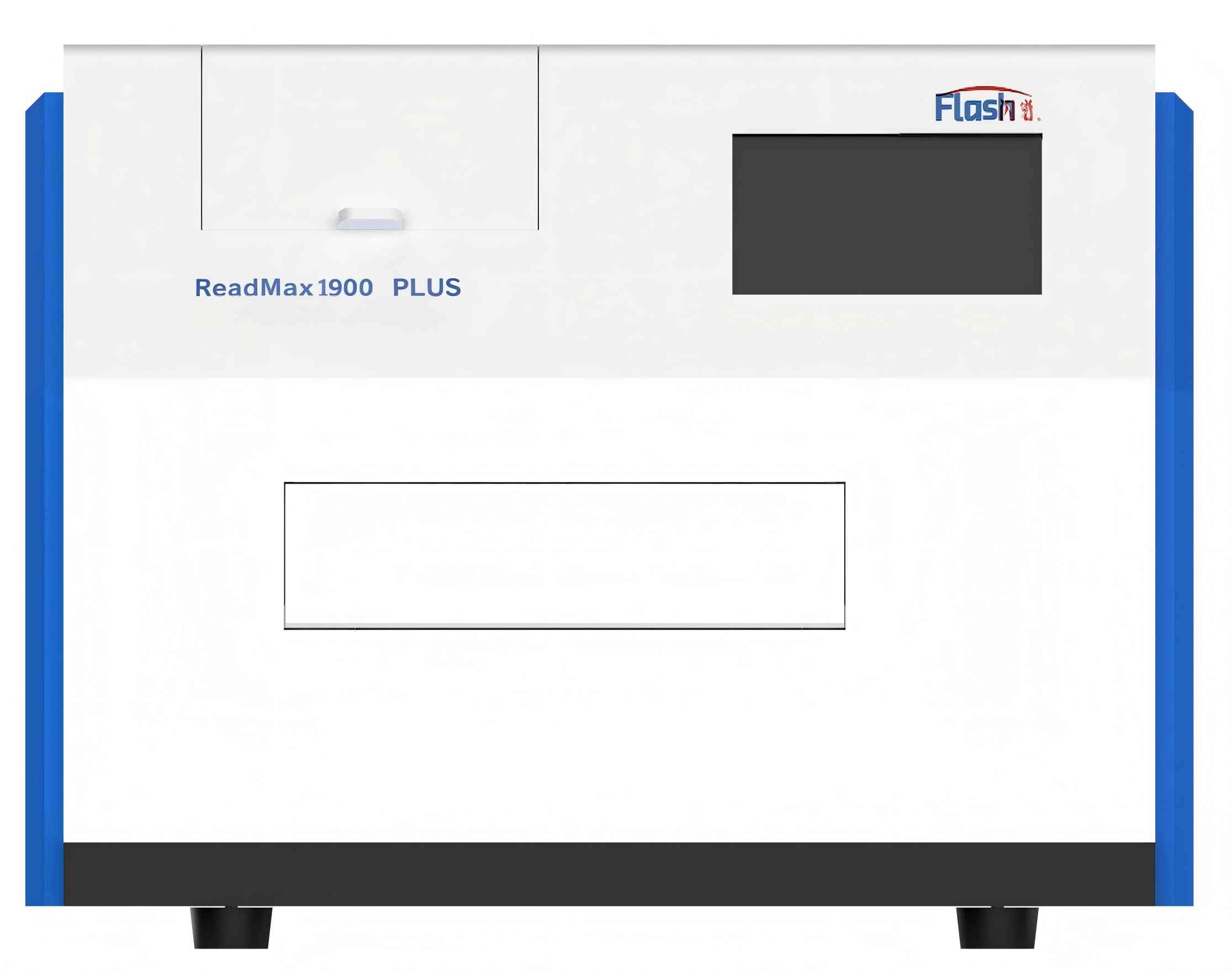
This instrument is equipped with a grating monochromator covering 190–1000 nm, a dual-beam reference optical path to ensure measurement accuracy, a standalone cuvette port (functioning as a UV-Vis spectrophotometer), temperature-controlled incubation up to 65°C, and plate shaking function. It supports rapid 96-well detection, complies with GMP/GLP and FDA 21 CFR Part 11, and is mainly used for MTT cell viability testing, ELISA endpoint assays, cell proliferation and cytotoxicity testing in biopharmaceuticals.
Feyond-F100 Fluorescence Microplate Reader
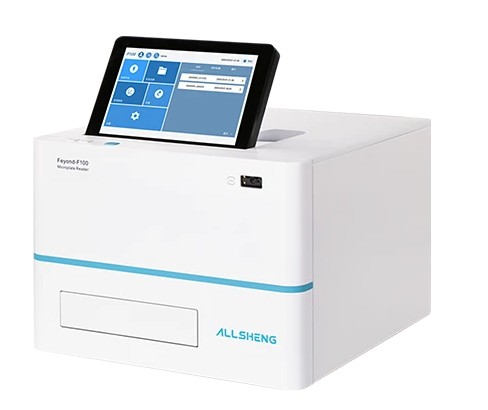
F100 adopts a high-energy xenon lamp light source with a 10-year service life and no preheating required, equipped with high‑performance optical filters, a 10-inch touchscreen, and ReaderIt-II analysis software supporting 4PL curve fitting and kinetic calculation. It features precise temperature control (RT+4 °C–45 °C), well-to-well temperature uniformity ≤±0.5 °C, and top-reading fluorescence detection with ultra‑high sensitivity down to 1 pM, enabling FRET, intracellular calcium flux, immunofluorescence cytokine detection, and high-throughput drug screening.
SuPerMax 3500 Multifunctional Microplate Reader
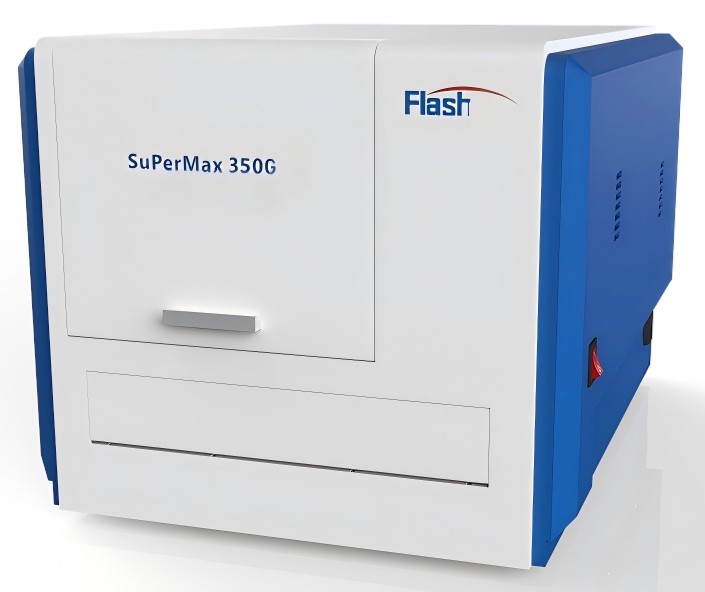
SuPerMax 3500 integrates absorbance, fluorescence, and luminescence detection modes, has a pulsed xenon lamp, grating/filter dual fluorescence optics, low-dark-current PMT detectors, top/bottom reading, and optional auto-plate handling. It is widely used in cell viability and cytotoxicity testing, nucleic acid and protein analysis, meeting the comprehensive testing needs of pharmaceutical R&D and production.
Core Pharmaceutical Testing Services
Cell Viability and Cytotoxicity Assessment
Quantifies drug-induced cell death or growth inhibition via MTT, CCK-8, or LDH release assays, enabling accurate calculation of IC50 (half-maximal inhibitory concentration) and LC50 (lethal concentration) values for anticancer, antiviral, and cytotoxic drug candidates. Its significance in drug R&D and detection is irreplaceable: it serves as the primary screening tool for early-stage drug candidates, helping researchers quickly eliminate compounds with excessive toxicity or insufficient efficacy. Additionally, it provides critical data for evaluating drug safety margins, ensuring that potential drugs do not cause severe cytotoxicity to normal cells while exerting therapeutic effects on target cells, laying the foundation for subsequent preclinical and clinical trials.
Cell Proliferation and Activation Analysis
Focused on monitoring dynamic cell growth in real time, this application supports studies on immune cell activation (e.g., T-cell proliferation) and stem cell differentiation, which are particularly crucial for cell therapy development and immunomodulatory drug research. Its significance lies in enabling researchers to assess how drugs regulate cell growth and activation: for immunomodulatory drugs, it helps verify the drug's ability to enhance or inhibit immune cell activity; for cell therapy products, it ensures the stability and functionality of engineered cells. This data is vital for optimizing drug dosage, improving therapeutic effects, and reducing the risk of adverse reactions related to abnormal cell proliferation or activation.
Tissue and Organoid-Based Drug Testing
Analyzes drug responses in 3D tissue constructs or patient-derived organoids (PDOs), which mimic the in vivo tissue microenvironment more accurately than traditional 2D cell cultures. Its core significance in drug R&D is bridging the gap between in vitro and in vivo testing: it provides more reliable efficacy and toxicity evaluation results, reducing the failure rate of preclinical trials. By using PDOs, researchers can simulate drug responses in specific patient populations, enabling personalized medicine research and facilitating the development of targeted therapies. It also helps identify potential tissue-specific toxicities that may be missed in 2D cell models, ensuring the safety of drugs in clinical applications.
Biomarker and Cytokine Quantification
Measures secreted proteins, growth factors, or inflammatory cytokines in cell/tissue supernatants, enabling the assessment of drug-induced immune modulation or target pathway activation. Its significance is reflected in two key aspects: first, it helps verify whether a drug acts on the intended target pathway, providing evidence for the drug's mechanism of action; second, it monitors the body's immune response to drugs, helping identify potential immune-related adverse reactions early. For biopharmaceuticals (e.g., monoclonal antibodies, cell therapies), this application also serves as a key quality control tool to ensure the consistency of drug efficacy across batches.
Nucleic Acid and Protein Analysis
Enables nucleic acid and protein analysis, such as DNA/RNA quantification and protein Bradford assays, to study the effects of drugs on gene expression and protein synthesis in cells and tissues. Its importance in drug R&D and detection is fundamental: it helps researchers understand the molecular mechanisms underlying drug action, clarifying how drugs regulate gene transcription and protein expression to exert therapeutic effects. It also supports the identification of drug-induced changes in genetic material or protein levels, which is critical for evaluating long-term drug safety (e.g., genotoxicity) and optimizing drug design to enhance efficacy and reduce side effects.
PharmaAnalytica's Microplate Reader Platform delivers a robust, flexible, and cost-efficient solution for cell and tissue-level biological analysis in pharmaceuticals. It empowers researchers to accelerate drug development, ensure product quality, and meet regulatory standards—making it an indispensable tool for modern biopharmaceutical laboratories.
Online Inquiry
This site is protected by reCAPTCHA and the Google Privacy Policy and Terms of Service apply.
Need More Information or Request A Quotation?
Related Links
